Crawl Space Vents Open or Closed: Optimize Your Home’s Foundation with Smart Ventilation Strategies

In the critical realm of home maintenance, where foundation health meets environmental control, the debate over crawl space vents open or closed remains a pivotal concern for homeowners aiming to protect their property. Crawl space vents, designed to regulate airflow beneath homes, play a significant role in managing moisture, temperature, and air quality. Deciding whether to keep these vents open or closed can impact your home’s structural integrity and energy efficiency, making it a topic of keen interest for DIY enthusiasts, builders, and property managers.
Whether you’re combating dampness or aiming for energy savings, understanding the right ventilation approach is key. This article explores the nuances of crawl space vents open or closed, delving into their purpose, factors influencing the decision, benefits of each approach, regional considerations, practical management tips, and common mistakes to avoid, revealing how to optimize your crawl space for a healthier home.
Understanding the Purpose of Crawl Space Vents
Crawl space vents are designed to promote airflow beneath a home, reducing moisture buildup that can lead to mold, wood rot, or pest infestations. Typically installed in foundation walls, these vents allow fresh air to circulate, helping to regulate humidity and temperature in the crawl space. The open-or-closed dilemma hinges on balancing ventilation with insulation, as improper management can lead to costly damage, such as 20–30% higher repair costs for mold remediation, per home maintenance studies.
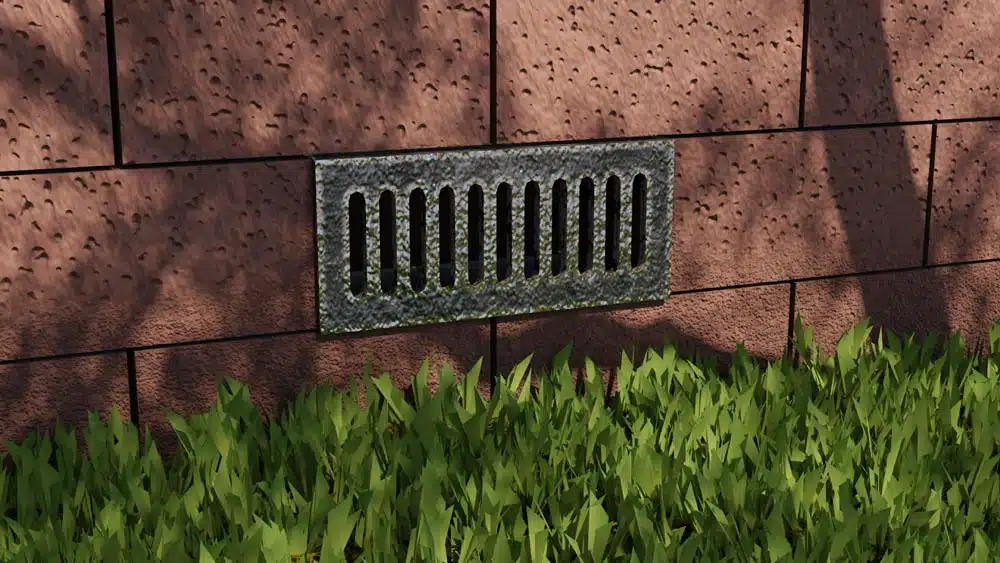
Vents are often made from durable materials like aluminum or plastic, with options for manual or automatic operation. Understanding their role—whether to vent humid air or retain warmth—sets the foundation for deciding whether to keep crawl space vents open or closed based on your home’s needs and local climate.
Factors Influencing Open or Closed Vents
The decision to keep crawl space vents open or closed depends on several factors, including climate, season, and crawl space condition. In humid regions, open vents allow air circulation to dry out moisture, but in winter, they may let in cold air, causing pipes to freeze. Conversely, closing vents traps heat but risks moisture buildup if the crawl space lacks proper sealing or vapor barriers.
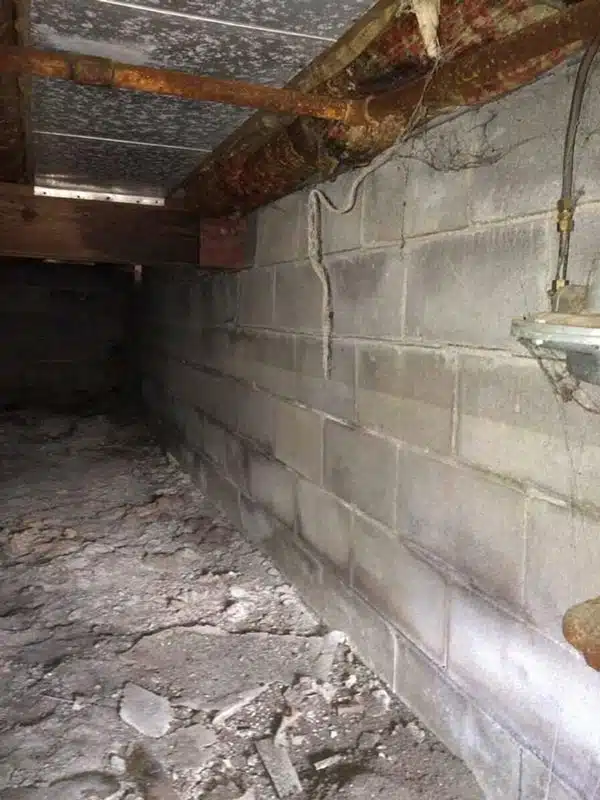
Home age and insulation also play a role. Older homes with poor insulation benefit from open vents to prevent dampness, while modern, well-sealed homes may favor closed vents to maintain energy efficiency. Assessing humidity levels (ideal: 30–50%) with a hygrometer helps tailor the decision to your specific environment.
Benefits of Keeping Crawl Space Vents Open
Keeping crawl space vents open promotes air exchange, reducing humidity that fosters mold or mildew, which can develop in as little as 48 hours in damp conditions, per environmental studies. Open vents are ideal in warm, humid climates, as they allow moist air to escape, preventing wood decay or pest issues like termites, which thrive in moist environments.
This approach also aids in odor control and can lower cooling costs in summer by preventing heat buildup. However, open vents require regular inspection to ensure screens block debris or rodents, maintaining effective airflow without compromising the crawl space’s integrity.
Benefits of Keeping Crawl Space Vents Closed
Closing crawl space vents creates a controlled environment, ideal for colder climates or well-insulated homes. Sealed vents prevent cold air from entering, reducing heating costs by up to 10–15%, per energy efficiency reports. This approach also minimizes drafts, protecting pipes and flooring from temperature fluctuations.
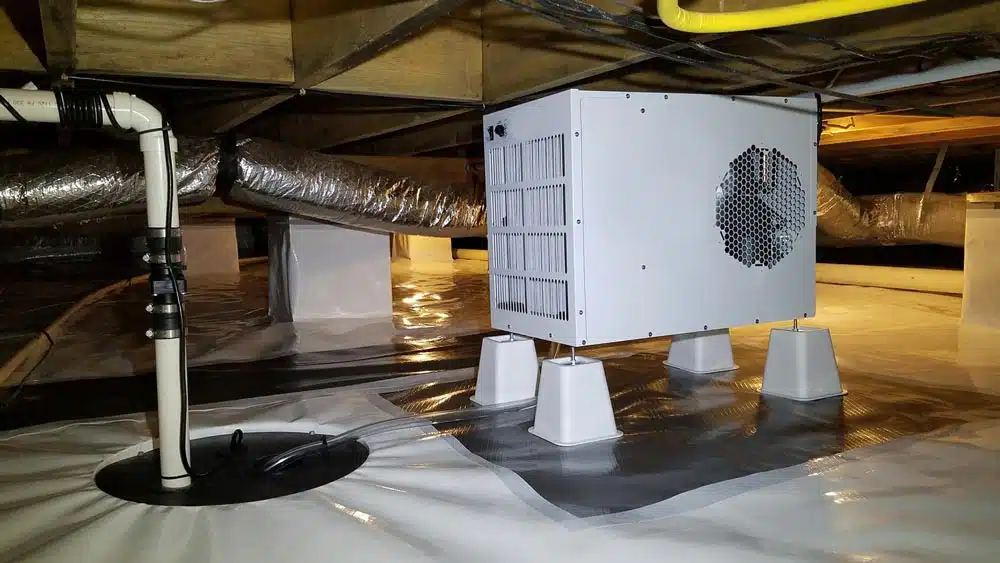
When paired with a vapor barrier and dehumidifier, closed vents can maintain low humidity levels, reducing mold risk without external air. This method suits modern homes with encapsulated crawl spaces, ensuring energy efficiency and structural protection, especially in dry or cold seasons.
Regional and Seasonal Considerations
Climate and seasonality heavily influence whether crawl space vents should be open or closed. In humid, coastal areas like the Southeast, open vents in summer help dry out moist air, while closing them in winter prevents chilly drafts. In arid regions like the Southwest, closed vents year-round with proper encapsulation maintain stable conditions, reducing dust infiltration.
Seasonal adjustments are key: open vents in spring or summer to vent humidity, and close them in fall or winter to retain warmth. Homeowners in mixed climates should monitor weather patterns and use automatic vents or dehumidifiers for adaptive control, ensuring optimal crawl space health year-round.
Practical Tips for Managing Crawl Space Vents
Managing crawl space vents effectively requires a proactive approach. Install a hygrometer to monitor humidity levels, aiming for 30–50% to prevent mold. Use vent covers or insulation foam boards for easy seasonal adjustments, ensuring a tight seal when closed. For open vents, check screens monthly to prevent blockages from debris or pests.
Consider encapsulating the crawl space with a vapor barrier and dehumidifier for a controlled environment, especially if opting for closed vents. Regularly inspect the crawl space for signs of moisture, mold, or structural damage, addressing issues promptly to avoid costly repairs. Consulting a professional for custom ventilation plans can optimize results.
Conclusion: Crawl Space Vents Open or Closed?
The decision to keep crawl space vents open or closed is a critical choice that balances moisture control, energy efficiency, and structural health, tailored to your home’s climate and needs. By understanding the purpose of vents, weighing influencing factors, and applying regional and practical strategies, homeowners can create a healthy crawl space environment. Whether you choose open vents for ventilation or closed vents for insulation, informed management is key to a durable, efficient home.
Monitor your crawl space, adapt to seasonal changes, and let the open-or-closed strategy safeguard your foundation. With the right approach, crawl space vents become a powerful tool for maintaining a healthy, cost-effective home environment.