What To Do When A Basement Is Flooded: A Comprehensive Guide to Recovery

What To Do When A Basement Is Flooded is a critical question for homeowners facing the stressful and potentially costly aftermath of water damage. A flooded basement, whether caused by heavy rain, burst pipes, or sewer backups, can disrupt your home and pose serious risks to health and property. Taking swift, informed action is essential to minimize damage, ensure safety, and restore your space. This in-depth guide outlines the key steps to handle a flooded basement, from immediate safety measures to long-term prevention, helping you navigate the crisis with confidence and efficiency.
Ensure Safety First When Your Basement Floods
When addressing what to do when a basement is flooded, prioritizing safety is paramount to protect yourself and your household. Floodwater can carry electrical hazards, contaminants, or structural risks, so proceed with caution. Start by turning off the electricity to the basement at the main breaker to avoid electrocution, especially if water has reached outlets or appliances. If you cannot safely access the breaker, contact a professional electrician before entering the flooded area.
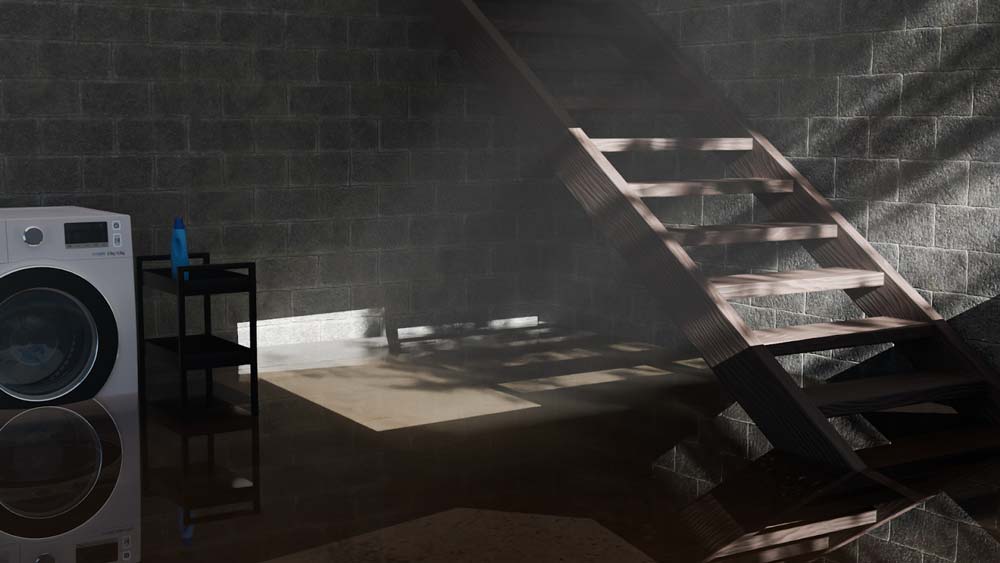
Avoid contact with floodwater, which may be contaminated with sewage, chemicals, or bacteria, and wear protective gear like rubber boots and gloves if you must enter. Check for structural damage, such as weakened walls or floors, to prevent injuries from collapses. If gas lines are present, turn off the gas supply and ventilate the area to avoid leaks. By focusing on these safety measures, you create a secure environment to begin addressing the flood, ensuring what to do when a basement is flooded starts with protecting lives and minimizing risks.
Stop the Source of the Flooding
Identifying and halting the source of the water is a critical step in managing what to do when a basement is flooded. If the flooding stems from a burst pipe or leaking appliance, shut off the main water valve to stop the flow. For external causes like heavy rainfall or groundwater seepage, inspect your home’s exterior for issues such as clogged gutters, poor drainage, or foundation cracks that may be allowing water to enter. If the source is a sewer backup, avoid using plumbing fixtures and contact a professional plumber immediately.
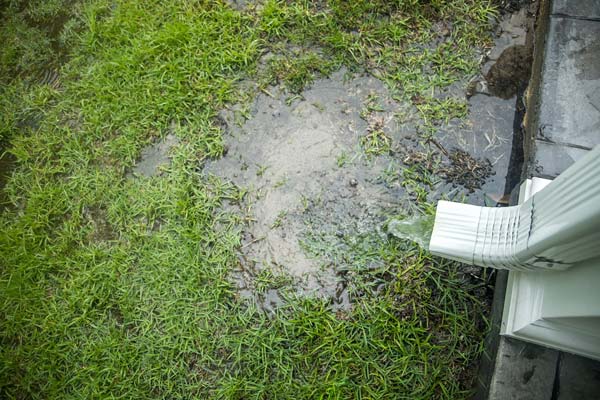
In cases of severe weather-related flooding, it may be challenging to stop the water entirely until conditions improve, but temporary measures like sandbags or tarps can help divert water away from entry points. Document the source and extent of the flooding with photos or videos for insurance purposes, as this will streamline claims later. By quickly addressing the cause, you prevent further water intrusion, setting the stage for effective cleanup and recovery when tackling what to do when a basement is flooded.
Remove Water and Dry the Basement
Once safety is ensured and the water source is controlled, the next step in what to do when a basement is flooded is removing standing water and drying the area to prevent mold and structural damage. For small amounts of water, use mops, towels, or a wet/dry shop vacuum to extract it. For larger floods, rent a submersible pump or hire a professional water extraction service to efficiently remove water. Open windows and doors to improve ventilation, and use fans or dehumidifiers to accelerate drying.
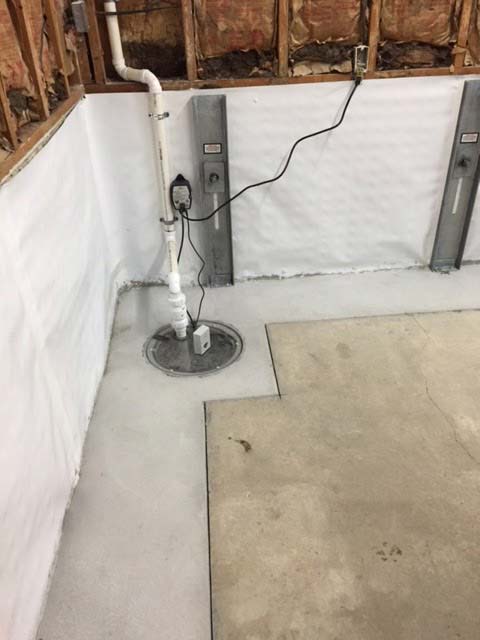
Remove wet items like carpets, furniture, or drywall as soon as possible, as they can harbor mold if left damp. Place salvageable items in a dry, well-ventilated area to air out, and discard materials that are too damaged to save. Monitor the drying process closely, as moisture can linger in walls or floors, leading to long-term issues. By acting swiftly to remove water and dry the space, you mitigate further damage, making this a crucial part of addressing what to do when a basement is flooded.
Clean and Disinfect the Affected Area
Cleaning and disinfecting are essential steps in what to do when a basement is flooded to ensure a safe, healthy environment. Floodwater often contains contaminants, so thorough cleaning is necessary to prevent health risks like mold growth or bacterial infections. Start by removing debris, mud, or damaged materials from the basement, disposing of non-salvageable items in accordance with local regulations. Use a pressure washer or scrub brush with a mild detergent to clean floors, walls, and remaining surfaces.
Apply a disinfectant solution, such as a bleach-water mix (one cup of bleach per gallon of water), to all affected areas to kill bacteria and prevent mold. Pay special attention to porous surfaces like wood or concrete, which can trap contaminants. For valuable items like furniture or electronics, consult a professional restoration service to assess salvageability. Wear protective gear during cleaning to avoid exposure to harmful substances. By thoroughly cleaning and disinfecting, you ensure your basement is safe for future use, addressing a key aspect of what to do when a basement is flooded.
Assess Damage and Contact Your Insurance Provider
Evaluating the extent of the damage is a critical component of what to do when a basement is flooded, as it informs repair plans and insurance claims. Inspect all areas of the basement, including walls, flooring, electrical systems, and stored items, to document the damage. Take detailed photos and notes to provide evidence for your insurance company, noting specific items affected, such as appliances or furniture. If structural components like drywall or insulation are damaged, consult a contractor to assess repair needs.
Contact your insurance provider as soon as possible to report the flood and understand your coverage, as flood damage may require separate flood insurance depending on your policy. Provide your documentation and follow their guidance for filing a claim, which may involve an adjuster visiting your home. Keep receipts for any immediate expenses, such as pump rentals or professional services, as these may be reimbursable. By thoroughly assessing damage and working with your insurer, you streamline the recovery process, ensuring what to do when a basement is flooded leads to effective restoration.
Prevent Future Basement Flooding
Preventing future incidents is a vital step in what to do when a basement is flooded, helping you avoid the stress and cost of repeated water damage. Start by improving your home’s drainage system, such as cleaning gutters, extending downspouts away from the foundation, and grading the landscape to direct water away from your home. Install a sump pump with a battery backup to manage groundwater, especially in flood-prone areas, and consider sealing foundation cracks with waterproof caulk.
For long-term protection, explore installing a backwater valve to prevent sewer backups or elevating appliances like water heaters above potential flood levels. Regularly inspect your home’s plumbing and appliances for leaks, and consider professional waterproofing services for basements prone to moisture. Monitor weather forecasts and prepare sandbags or barriers during heavy rain seasons. By taking these proactive measures, you safeguard your home against future flooding, completing the process of addressing what to do when a basement is flooded with confidence and preparedness.
Conclusion: Recover and Protect with Confidence When Your Basement Floods
Addressing what to do when a basement is flooded requires swift action, careful planning, and proactive prevention to minimize damage and restore your home. From ensuring safety and stopping the water source to removing water, cleaning thoroughly, assessing damage, and implementing preventive measures, each step is crucial for a successful recovery. By acting quickly and methodically, you protect your health, property, and peace of mind, turning a stressful situation into a manageable one. Whether you’re dealing with a minor flood or a major disaster, the right approach to what to do when a basement is flooded ensures your home is safe and resilient. For professional assistance or supplies, explore resources from retailers like Home Depot or contact local restoration services, and take control of your basement’s future today.
*As an Amazon Associate I earn from qualifying purchases. Post contains affiliate links