How to Clean an Air Filter: A Step-by-Step Guide for Optimal Performance

How to Clean an Air Filter is a crucial skill for homeowners looking to maintain their HVAC systems, improve indoor air quality, and boost energy efficiency. Air filters trap dust, dirt, and allergens, but when clogged, they can reduce airflow, strain your system, and increase energy costs.
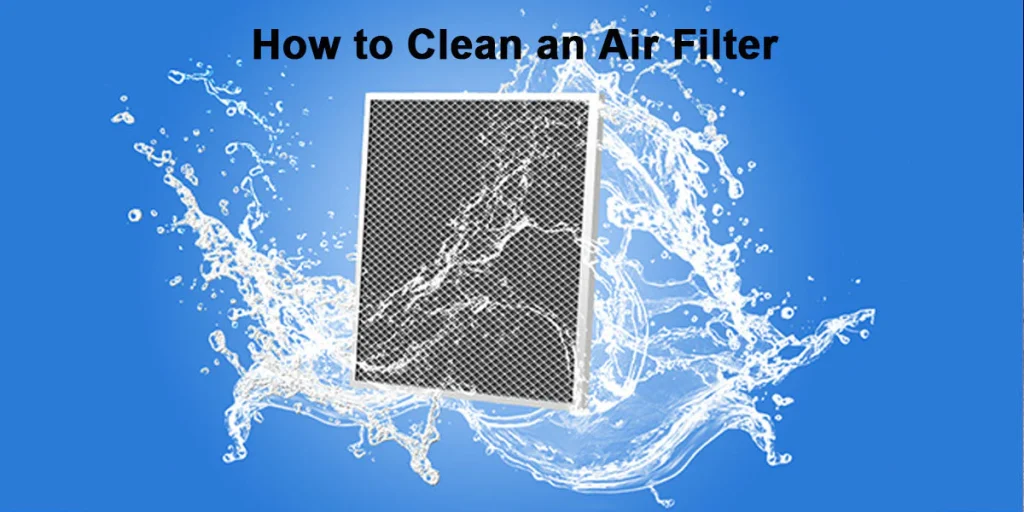
Regular cleaning extends the life of reusable filters, saves money, and ensures a healthier home environment. This comprehensive guide details the essential steps for cleaning an air filter, offering practical tips to keep your HVAC system running smoothly and your air fresh and clean.
Why Cleaning Your Air Filter Matters
Understanding how to clean an air filter begins with recognizing its importance in maintaining a healthy and efficient home. Air filters in HVAC systems, furnaces, or air conditioners capture particles like dust, pet dander, and pollen, preventing them from circulating indoors. Over time, these particles accumulate, clogging the filter and reducing its effectiveness. A dirty filter forces your system to work harder, increasing energy consumption and potentially causing costly repairs.
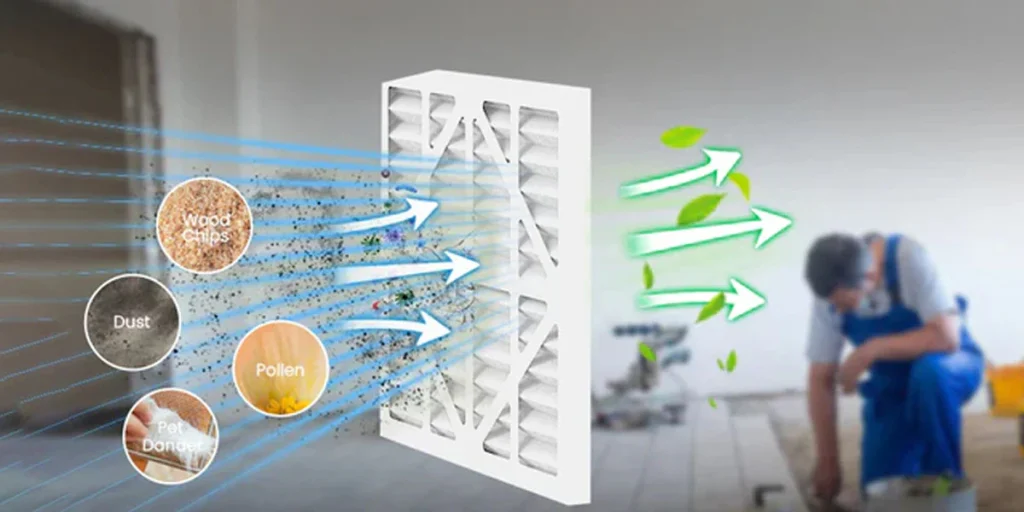
Regular cleaning of reusable air filters improves airflow, enhances air quality, and reduces allergens, benefiting those with respiratory issues or allergies. It also lowers utility bills by ensuring your system operates efficiently. By mastering how to clean an air filter, you take a proactive step toward a cleaner home, lower maintenance costs, and prolonged HVAC system lifespan, making it an essential task for every homeowner.
Identifying the Type of Air Filter in Your System
Before diving into how to clean an air filter, it’s critical to determine whether your filter is reusable and suitable for cleaning. Air filters come in various types, including disposable fiberglass, pleated, and washable electrostatic or HEPA filters. Reusable filters, typically made of durable materials like foam or metal mesh, are designed for cleaning and long-term use, while disposable filters must be replaced.
Locate your filter, often found in the return air duct, furnace, or air handler, and check its label or manual to confirm its type. Reusable filters are usually thicker and sturdier, with instructions for cleaning provided by the manufacturer. If you’re unsure, consult your HVAC system’s manual or a professional to avoid damaging a non-reusable filter. By correctly identifying your filter, you ensure the cleaning process is safe and effective, setting the foundation for how to clean an air filter properly.
Gathering the Right Tools and Materials
Preparing for how to clean an air filter requires gathering the appropriate tools and materials to ensure a thorough and safe process. Most reusable air filters can be cleaned with basic household items, making the task accessible and cost-effective. You’ll need a vacuum cleaner with a brush attachment to remove loose debris, a mild dish soap or filter-specific cleaner, a bucket or sink for soaking, and a soft cloth or sponge for scrubbing.
Have a garden hose or access to running water for rinsing, and ensure you have a clean, dry space to air-dry the filter. Wear gloves to protect your hands from dust or allergens, and consider a mask if you’re sensitive to particles. For electrostatic filters, avoid harsh chemicals that could damage their charge. By assembling these tools beforehand, you streamline the process of how to clean an air filter, ensuring efficiency and protecting your filter’s integrity.
See more: Best crawl space dehumidifier 2025
Step-by-Step Process for Cleaning Your Air Filter
Mastering how to clean an air filter involves a straightforward, methodical process to restore its functionality. Begin by turning off your HVAC system to prevent dust from circulating and ensure safety. Carefully remove the filter from its housing, noting its orientation for reinstallation. Use a vacuum with a brush attachment to gently remove loose dust and debris from both sides of the filter, taking care not to tear the material.
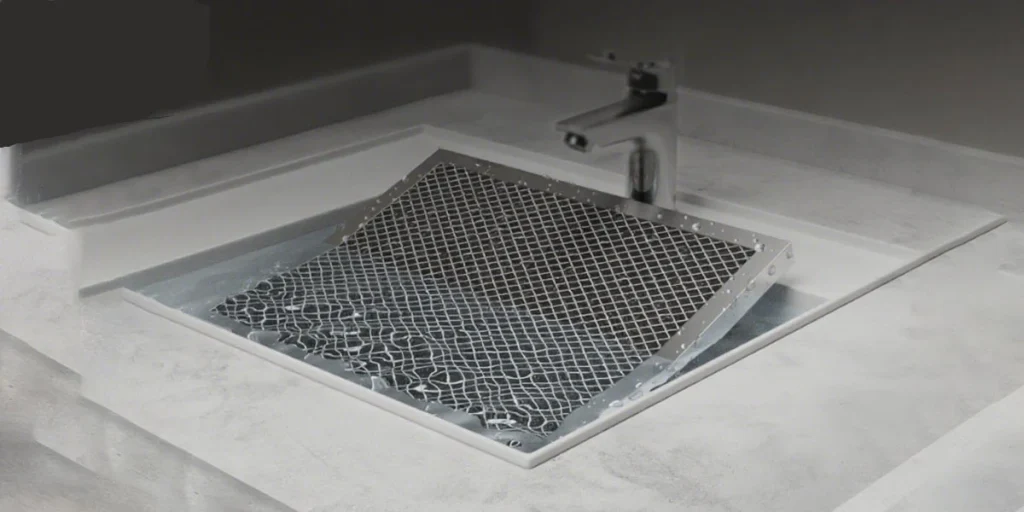
Next, soak the filter in a bucket or sink filled with warm water and a small amount of mild dish soap, letting it sit for 10-15 minutes to loosen embedded dirt. Gently scrub with a soft cloth or sponge, focusing on heavily soiled areas, then rinse thoroughly under running water until the water runs clear. Shake off excess water and allow the filter to air-dry completely in a well-ventilated area, avoiding direct sunlight or heat sources that could warp the material. Once dry, inspect for damage and reinstall the filter, ensuring a snug fit. By following these steps, you effectively address how to clean an air filter, restoring its performance and extending its lifespan.
Maintaining and Checking Your Air Filter Regularly
Ongoing maintenance is a key aspect of how to clean an air filter to keep your HVAC system running efficiently. Check your filter monthly, especially during peak heating or cooling seasons, as dust buildup can occur quickly in high-use environments. Reusable filters typically need cleaning every 1-3 months, depending on factors like pet ownership, allergies, or local air quality. Set a schedule to inspect and clean your filter consistently, marking it on a calendar or setting a reminder.
During checks, look for signs of wear, such as frayed edges or reduced airflow, which may indicate the filter needs replacement rather than cleaning. Keep a log of cleaning dates and note any changes in system performance, such as unusual noises or higher energy bills, which could signal a clogged filter. By maintaining a regular cleaning routine, you ensure how to clean an air filter becomes a proactive habit, preventing costly repairs and maintaining optimal air quality in your home.
Troubleshooting Common Issues After Cleaning
Even with proper cleaning, issues may arise when addressing how to clean an air filter, requiring troubleshooting to ensure your system performs optimally. If the filter remains discolored or smells musty after cleaning, it may be too old or damaged, necessitating replacement. Persistent reduced airflow could indicate improper drying or reinstallation, so double-check that the filter is completely dry and correctly seated in its housing.
If your HVAC system makes unusual noises or struggles to maintain temperature, debris may have entered the system during cleaning, requiring professional inspection. For electrostatic filters, ensure cleaning didn’t compromise their charge, as harsh soaps can reduce effectiveness. If problems persist, consult an HVAC technician to assess your system and filter compatibility. By addressing these issues promptly, you refine your approach to how to clean an air filter, ensuring your system operates efficiently and your home stays comfortable.
Conclusion: Keep Your Air Fresh with Proper Air Filter Cleaning
Mastering how to clean an air filter is an essential skill for homeowners seeking to maintain a healthy, efficient home environment. By prioritizing safety, identifying your filter type, gathering the right tools, following a thorough cleaning process, maintaining a regular schedule, and troubleshooting issues, you can keep your HVAC system running smoothly and your indoor air clean. Regular air filter cleaning reduces energy costs, extends system lifespan, and improves air quality, benefiting your health and wallet. Whether you’re a new homeowner or a seasoned DIYer, understanding how to clean an air filter empowers you to take control of your home’s comfort. For supplies or professional guidance, explore resources at retailers like Home Depot or consult local HVAC experts, and make air filter cleaning a cornerstone of your home maintenance routine today.