What Is The Right Moisture Content For Crawl Space Wood: Essential Guidelines for a Healthy and Durable Home Foundation

Understanding what is the right moisture content for crawl space wood is crucial for homeowners aiming to protect their home’s structural integrity and prevent costly damage from moisture-related issues. The crawl space, often hidden beneath the home, houses wooden components like joists, beams, and subfloors that are vulnerable to excessive moisture, leading to mold, rot, or pest infestations.
Improper moisture levels can result in repair costs ranging from $1,000 to $10,000, per home maintenance estimates. Maintaining optimal moisture content ensures a durable foundation and healthy indoor environment. This article explores the ideal moisture levels for crawl space wood, covering why it matters, factors affecting moisture, measurement techniques, solutions for excess moisture, prevention strategies, and professional interventions, empowering homeowners to safeguard their homes effectively.
Why Moisture Content in Crawl Space Wood Matters
Moisture content in crawl space wood refers to the percentage of water within the wood, directly impacting its strength and longevity. Wood with excessive moisture—above 19%—is prone to fungal growth, rot, and insect damage, weakening structural components like joists and beams, per construction studies. High moisture levels foster mold, which can spread to living spaces, degrading air quality by 20–50%, according to air quality research. Conversely, overly dry wood (below 6%) may crack or warp, compromising stability. Maintaining the right moisture content, typically 10–15% for most climates, prevents these issues, extends wood lifespan by 15–20 years, and reduces repair costs, ensuring a stable foundation and healthier home environment.
Factors Affecting Moisture Content in Crawl Spaces
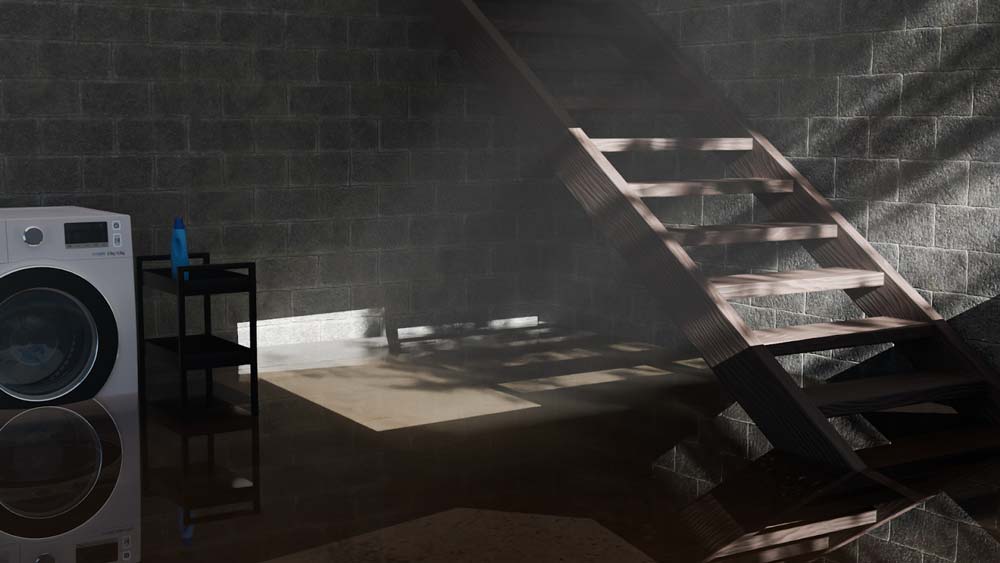
Several factors influence the moisture content of crawl space wood. Ground moisture from poor drainage or high water tables can seep into wood, especially in unsealed crawl spaces, raising moisture levels above 20%. High humidity, often exceeding 60%, promotes condensation on wood surfaces, particularly in humid climates or poorly ventilated spaces. Leaking pipes, floods, or improper grading around the home introduce water, accelerating wood saturation within 24–48 hours, per environmental studies. Ventilation issues, such as blocked or insufficient vents, trap moist air, while organic debris like leaves or dirt in the crawl space fosters mold. Understanding these factors helps homeowners identify and address moisture sources to maintain optimal wood conditions.
See more: Best crawl space dehumidifier 2025
Measuring Moisture Content in Crawl Space Wood
Accurately measuring moisture content is essential to determine if crawl space wood is within the safe range of 10–15%. Moisture meters, available as pin-type or pinless models, provide precise readings by inserting probes into wood or scanning surfaces, with pinless meters being less invasive. Test multiple areas, including joists and subfloors, to account for variations, as moisture can differ by 2–5% across a crawl space, per building science data. Visual inspections for signs like discoloration, soft spots, or musty odors can indicate high moisture, while hygrometers measure crawl space humidity (ideal: 30–50%). Regular monitoring, especially after heavy rain or seasonal changes, ensures early detection of moisture issues, preventing structural damage.
Solutions for Excess Moisture in Crawl Space Wood
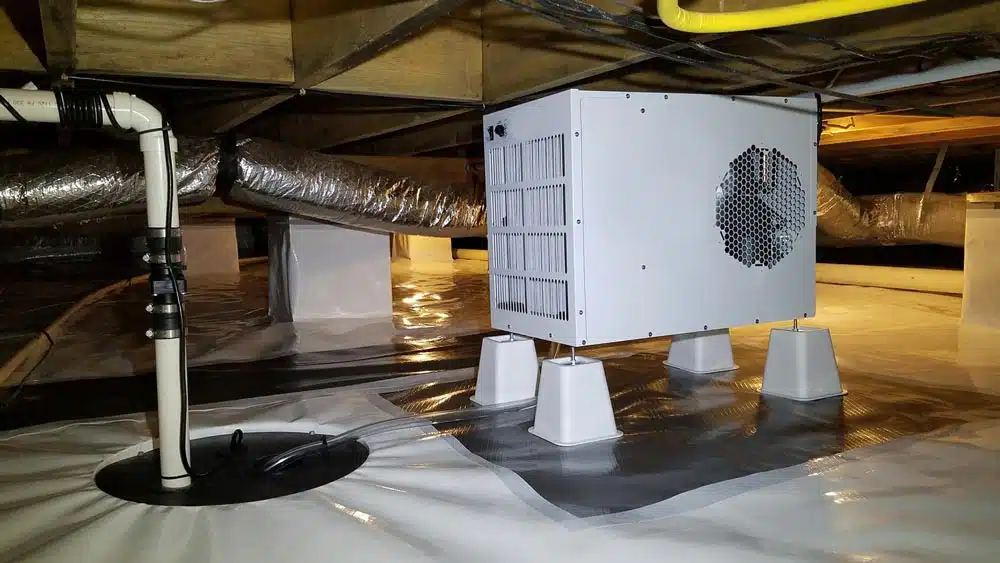
If moisture content exceeds 15%, immediate action is needed to dry wood and prevent damage. Improve ventilation by installing additional vents or using exhaust fans to reduce humidity, lowering moisture levels by 10–20%, per ventilation studies. Dehumidifiers designed for crawl spaces can maintain humidity below 50%, drying wood within days. Remove wet materials, like soaked insulation or debris, to eliminate moisture sources. For severe cases, apply borate-based treatments to wood surfaces to inhibit mold and rot, safe for most crawl space woods. If water intrusion persists, install sump pumps or French drains to divert water, reducing moisture exposure. These solutions restore wood to safe moisture levels, protecting the home’s foundation.
Preventing High Moisture Content in Crawl Spaces
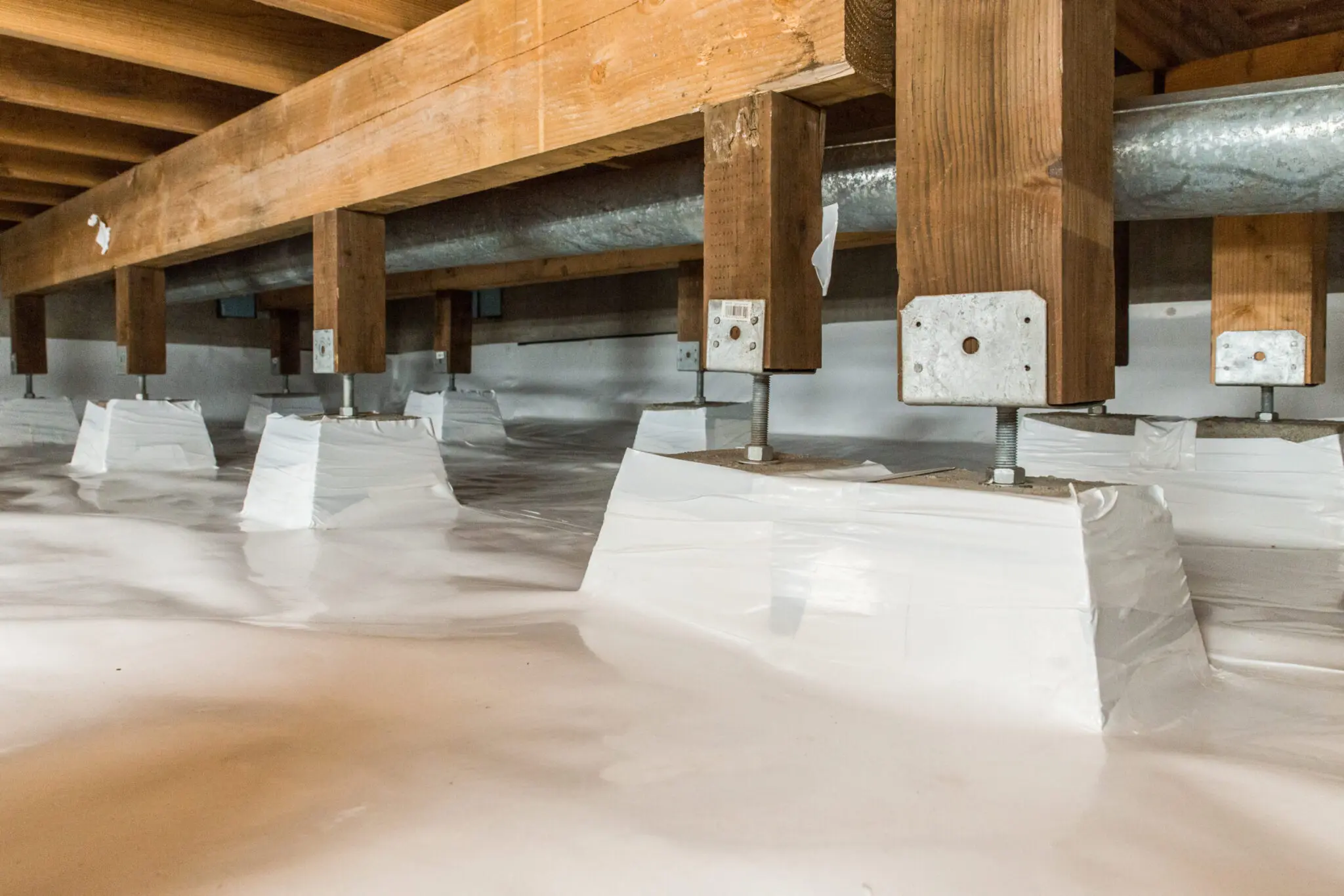
Preventing excessive moisture in crawl space wood requires proactive measures. Install a vapor barrier (6–12 mil plastic) on the crawl space floor to block ground moisture, reducing humidity by 20–30%, per home improvement data. Seal vents in humid climates or opt for encapsulation with a dehumidifier for comprehensive moisture control. Regularly inspect and repair leaks from plumbing or exterior grading to prevent water intrusion. Use hygrometers to monitor humidity and maintain levels below 50%. Clean crawl spaces annually to remove organic debris, and ensure proper drainage around the home’s foundation. These steps keep wood moisture content within the ideal range, minimizing risks of mold, rot, and costly repairs.
Professional Interventions for Persistent Moisture Issues
For severe or recurring moisture problems, professional services offer comprehensive solutions. Experts use infrared cameras to detect hidden water sources and industrial dehumidifiers to dry wood effectively, reducing moisture content to safe levels within 48 hours, per remediation studies. Crawl space encapsulation, costing $3,000–$8,000, seals the space with thick barriers and dehumidifiers, preventing moisture issues long-term. Professionals also apply fungicides or replace damaged wood to restore structural integrity. Post-treatment inspections ensure moisture levels remain optimal. For homes in flood-prone or humid areas, professional intervention is a worthwhile investment to protect wood and maintain a healthy foundation, avoiding thousands in future repairs.
Conclusion: Maintain Optimal Moisture for a Stronger Home
Determining what is the right moisture content for crawl space wood is key to safeguarding your home’s foundation and indoor air quality. By aiming for 10–15% moisture content, addressing influencing factors, measuring levels accurately, applying effective solutions, and implementing prevention strategies, homeowners can protect their crawl space wood from damage. Professional interventions offer lasting results for complex issues, ensuring durability and safety. With diligent care, you can maintain the right moisture levels, prevent mold and rot, and create a healthier, more resilient home environment for years to come.