What Size Ventilation Fan Do I Need: Comprehensive Guide to Choosing the Perfect Fan for Optimal Airflow and Comfort

Determining what size ventilation fan do I need is essential for homeowners seeking to maintain healthy indoor air quality, control moisture, and ensure comfort in spaces like bathrooms, kitchens, or crawl spaces. A properly sized ventilation fan removes excess humidity, odors, and pollutants, preventing mold growth and structural damage that can cost $1,000–$7,000 to repair, per home maintenance estimates. Choosing the wrong size fan can lead to inadequate airflow or excessive energy use, making accurate sizing critical. This article explores how to select the right ventilation fan size, covering the importance of proper sizing, airflow measurement, room-specific requirements, installation considerations, energy efficiency factors, and professional guidance, empowering you to create a fresher, healthier home environment.

Why Proper Ventilation Fan Sizing Matters
Choosing the correct ventilation fan size ensures effective air exchange, moisture control, and energy efficiency. Fans are rated by cubic feet per minute (CFM), indicating the volume of air they move. Undersized fans fail to remove humidity or odors, leading to mold growth within 24–48 hours in high-humidity areas, per environmental studies, while oversized fans waste energy and create drafts, increasing utility costs by 10–20%, per energy reports. Proper sizing maintains indoor humidity below 50%, reduces allergen levels by 20–30%, and extends the lifespan of structural components like wood or drywall. By matching fan size to room needs, homeowners achieve optimal comfort, air quality, and cost savings, avoiding issues like poor ventilation or excessive noise.
Understanding Airflow Measurement and CFM Requirements
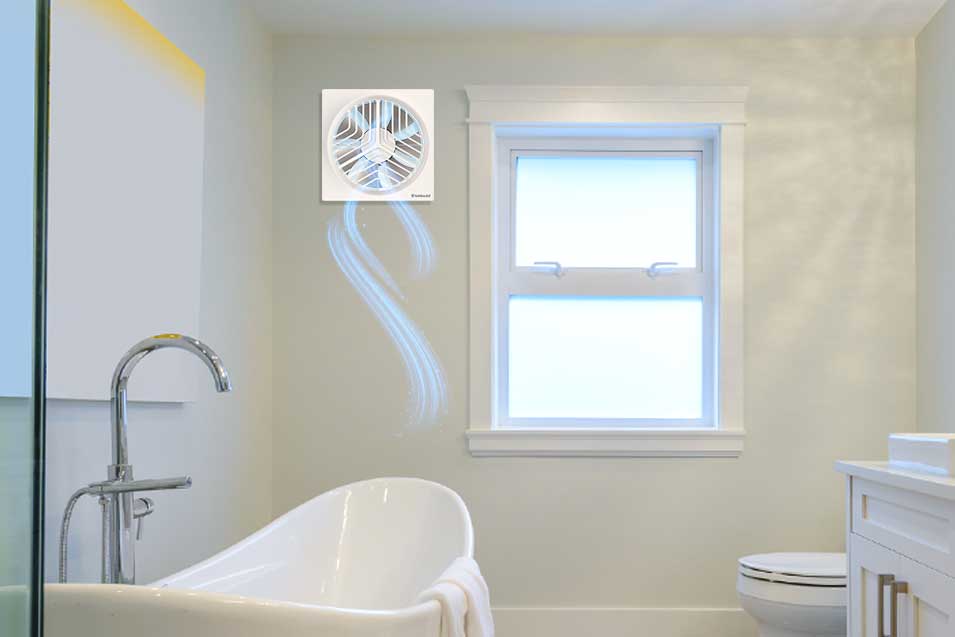
Ventilation fan size is determined by CFM, which measures airflow in cubic feet per minute. To calculate the required CFM, determine the room’s volume (length × width × height in feet) and multiply by the recommended air changes per hour (ACH), typically 8 for bathrooms and 15 for kitchens, per building standards. For example, a 100-square-foot bathroom with an 8-foot ceiling (800 cubic feet) needs 800 × 8 ÷ 60 = 107 CFM. Additional factors, like steam showers or cooking appliances, may increase CFM needs by 20–30%, per HVAC guidelines. Understanding CFM ensures the fan effectively removes moisture and pollutants without overworking, providing efficient ventilation tailored to the space.
Room-Specific Ventilation Fan Sizing Guidelines
Different rooms require specific CFM ratings based on their function and moisture levels. Bathrooms need 1 CFM per square foot for areas under 100 square feet, or 50 CFM minimum, with an extra 20 CFM for features like jetted tubs, per ASHRAE standards. Kitchens require 100–250 CFM depending on size and appliance use, with commercial-style ranges needing up to 400 CFM. Crawl spaces or attics need 1 CFM per 150–300 square feet, depending on humidity, to prevent mold. Laundry rooms or basements may need 70–150 CFM based on size and moisture sources. Measuring room dimensions and factoring in usage ensures the fan size meets specific ventilation demands, maintaining air quality and comfort.
See more: Best crawl space dehumidifier 2025
Installation Considerations for Ventilation Fans
Proper installation is critical to ensure a ventilation fan performs at its rated CFM. Ducting must be straight, short (under 25 feet), and properly sized (4–6 inches for most fans) to avoid airflow loss, which can reduce efficiency by 20–40%, per HVAC studies. Insulated ducts prevent condensation in cold climates. Vent placement should direct exhaust outside, not into attics or crawl spaces, to avoid moisture buildup. Check fan location for accessibility, as ceiling or wall mounts affect airflow and noise levels (aim for sone ratings below 1.0 for quiet operation). Ensure electrical compatibility with your home’s wiring, and verify local building codes for compliance. Proper installation maximizes fan performance and prevents issues like backdrafts or mold growth.
Energy Efficiency and Additional Features
Selecting an energy-efficient ventilation fan reduces operating costs while maintaining performance. Look for ENERGY STAR-certified fans, which use 60% less energy than standard models, saving $10–$50 annually, per energy data. Fans with variable speed settings or humidity sensors adjust airflow based on moisture levels, optimizing efficiency. Timer-equipped fans run only as needed, reducing energy waste. Low-sone fans (0.5–1.0) minimize noise, enhancing comfort in living spaces. Some models include LED lighting or heaters, adding functionality but increasing power draw, so balance features with energy needs. Choosing an efficient fan with smart features ensures cost-effective ventilation without compromising air quality or comfort.
When to Seek Professional Guidance for Fan Sizing
For complex spaces or persistent ventilation issues, professional HVAC technicians provide expert sizing and installation advice. They use tools like blower door tests or duct pressure diagnostics to assess airflow needs accurately, ensuring CFM matches room conditions. Professionals can recommend fans for unique spaces, like large kitchens or humid basements, and handle intricate ductwork or electrical setups, costing $100–$500 for consultation and installation. They also ensure compliance with building codes, reducing risks of improper ventilation that could lead to mold or structural damage. For homes with high humidity or non-standard layouts, professional guidance ensures the right fan size, preventing costly repairs and optimizing performance.
Conclusion: Choose the Right Ventilation Fan Size for a Healthier Home
Determining what size ventilation fan do I need is key to achieving optimal airflow, moisture control, and indoor comfort. By understanding the importance of proper sizing, calculating CFM accurately, tailoring choices to room needs, ensuring correct installation, prioritizing energy efficiency, and seeking professional help when necessary, homeowners can select the perfect fan for their space. A well-sized fan prevents mold, improves air quality, and saves energy, creating a healthier, more comfortable home. Measure your space, choose wisely, and let the right ventilation fan bring fresh air and lasting comfort to your living environment.