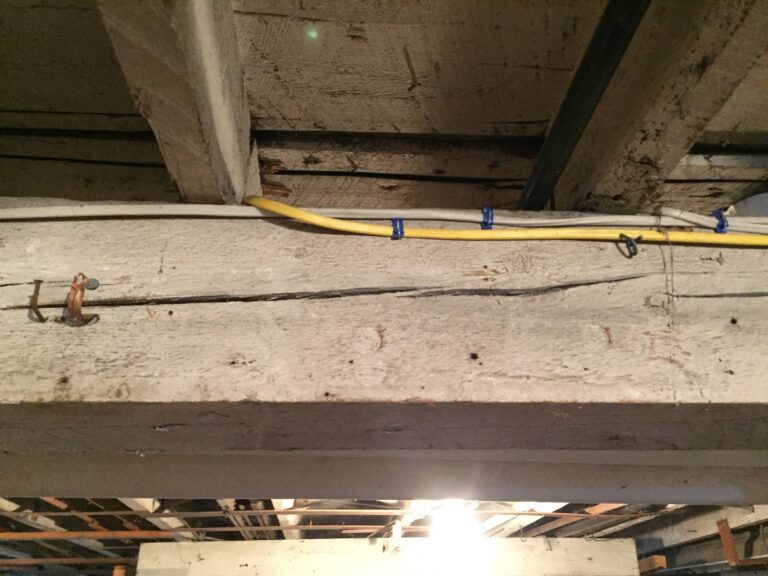
How to Fix Bowing Basement Walls: Expert Home Repair Strategies to Restore Structural Integrity and Prevent Further Damage

As a home repair expert with 10 years of experience, I’ve tackled numerous cases of how to fix bowing basement walls, a critical issue that jeopardizes a home’s foundation. Bowing walls, driven by external soil or water pressure, can lead to cracks, water seepage, or even collapse if left unaddressed. Prompt action is essential to prevent escalation and protect your home’s structural stability. This SEO-optimized article shares my field-tested strategies, covering the causes of bowing walls, assessing damage severity, temporary stabilization methods, permanent repair solutions, prevention techniques, and when to seek professional help, empowering homeowners to restore their basements effectively.
Understanding the Causes of Bowing Basement Walls
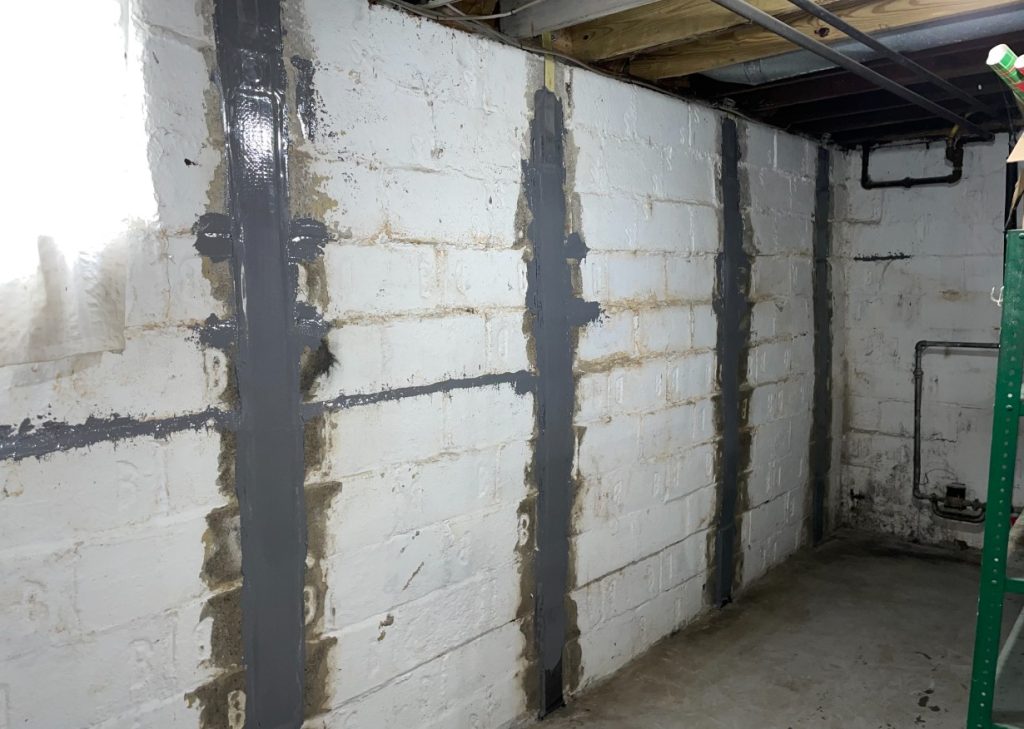
Bowing basement walls result from external forces pushing inward, compromising the foundation. Hydrostatic pressure from water-saturated soil, often after heavy rain or poor drainage, exerts significant force, increasing strain by 30–40%, per geotechnical studies. Expansive clay soils, which swell when wet, amplify pressure on walls. Poor construction practices, such as insufficient reinforcement or thin walls, heighten vulnerability. Tree roots near the foundation or improper grading that funnels water toward the home also contribute. Pinpointing the cause—whether moisture or soil-related—guides the repair approach, ensuring a targeted fix that addresses the root issue, a principle I’ve applied across countless projects.
Assessing the Severity of Bowing Wall Damage
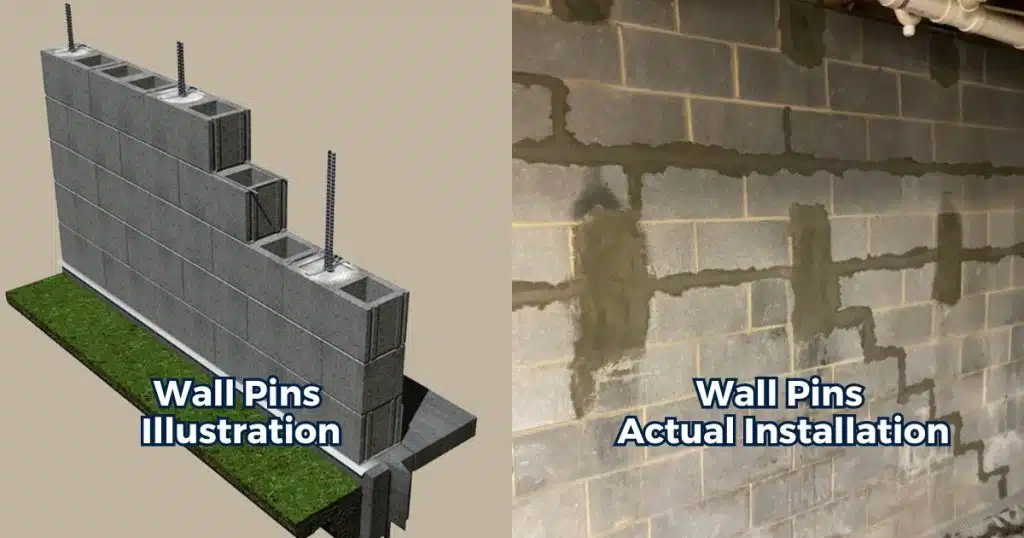
Evaluating bowing severity is the first step to determine the right repair method. Minor bowing (less than 1 inch) appears as hairline cracks or slight tilting, posing low immediate risk but requiring monitoring. Moderate bowing (1–2 inches) shows wider cracks (up to ¼ inch) and possible water seepage, signaling urgent repair needs. Severe bowing (over 2 inches) with large cracks, bulging, or leaning indicates structural instability, per engineering data. Use a plumb line or laser level to measure deflection, and test for moisture with a meter (ideal: below 15%). Document findings to plan repairs, and consult a professional for deflections over 1 inch, as I’ve advised in complex cases to avoid further damage.
See more: Best crawl space dehumidifier 2025
Temporary Stabilization Methods to Prevent Worsening
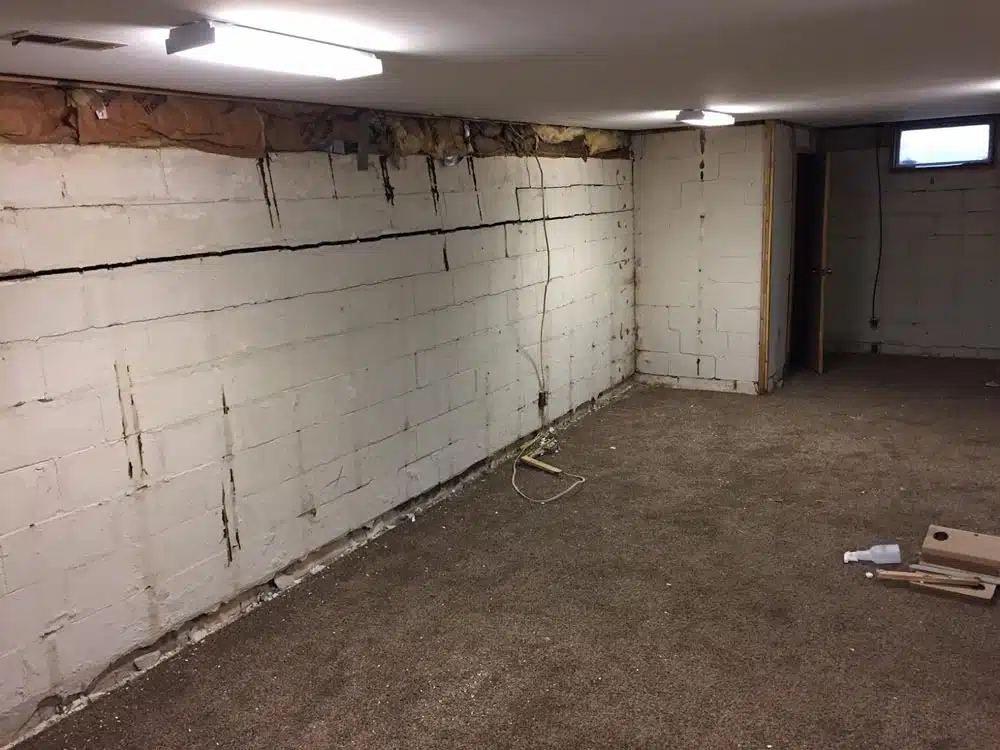
Temporary measures can slow bowing progression while planning permanent fixes, a tactic I’ve used to stabilize homes on tight timelines. Install steel braces or adjustable wall jacks against the wall, spaced 4–6 feet apart, to counter pressure. Shore up walls with 4×4 wooden beams angled against floor joists, secured with concrete anchors, for immediate support. Reduce external pressure by clearing clogged gutters and extending downspouts 5–10 feet from the foundation, minimizing water pooling and reducing strain by 20%, per drainage studies. These methods provide short-term stability for weeks to months but require vigilant monitoring until a lasting solution is implemented, based on my field experience.
Permanent Repair Solutions for Bowing Basement Walls
Permanent fixes restore structural integrity, drawing on my decade of repair expertise. Wall anchors, steel plates buried outside and connected to interior wall plates via rods, gradually straighten walls, ideal for moderate to severe bowing. Carbon fiber straps, applied vertically with epoxy, reinforce concrete against tension, perfect for minor to moderate cases. Steel I-beams, bolted vertically and anchored to floor and joists, offer robust support for severe bowing. For extreme damage, wall rebuilding may be necessary, involving new concrete or block construction. Pair repairs with waterproofing membranes and drain tile to manage moisture, ensuring durability for decades, per construction standards.
Preventing Future Bowing of Basement Walls
Preventing recurrence is critical for long-term stability, a cornerstone of my repair philosophy. Enhance drainage with exterior drain tile systems to divert groundwater, reducing hydrostatic pressure by 30–40%, per geotechnical data. Regrade soil to slope away from the home at 1 inch per foot for at least 6 feet, and keep gutters clean to prevent overflow. Install a sump pump in basements to handle water intrusion. Monitor soil moisture with a hygrometer (ideal: below 20%) and avoid planting large trees near the foundation. Conduct biannual inspections to catch early bowing signs, ensuring proactive maintenance keeps walls stable and damage-free.
When to Call Professional Foundation Repair Experts
Minor repairs may be manageable for DIY enthusiasts, but severe bowing or complex issues demand professional expertise, a lesson from my years on job sites. Experts use geotechnical assessments and infrared cameras to identify pressure sources and hidden damage, delivering precise repairs with 95% success rates, per industry reports. They install advanced systems like wall anchors or I-beams, ensuring compliance with building codes. Professionals also provide warranties, offering peace of mind for significant investments. For deflections over 1 inch, water seepage, or structural concerns, hire a licensed foundation contractor to prevent escalation, like wall collapse, as I’ve seen in neglected cases.
Conclusion: Strengthen Your Home by Fixing Bowing Basement Walls
Mastering how to fix bowing basement walls is vital to safeguard your home’s foundation and prevent further structural damage. By understanding causes, assessing severity, stabilizing temporarily, applying permanent fixes, preventing future issues, and knowing when to call professionals, homeowners can restore their basement walls effectively. With 10 years of home repair experience, I’ve seen timely action resolve bowing within days to weeks, preserving home safety. Act swiftly, monitor diligently, and let these expert strategies secure your basement’s integrity, ensuring a stable, durable home for years to come.