Most and Least Reliable Dehumidifier Brands in 2025: A Comprehensive Guide

In humid climates or damp basements, a reliable dehumidifier is essential for maintaining indoor air quality, preventing mold growth, and ensuring comfort. With high humidity levels above 50% fostering dust mites, mildew, and allergens, choosing the right brand can make all the difference. But not all dehumidifiers are created equal—some brands excel in longevity and performance, while others falter with frequent breakdowns.
Based on extensive 2025 testing from trusted sources like Consumer Reports, Wirecutter, and Tom’s Guide, this guide breaks down the most reliable dehumidifier brands and those to approach with caution. We’ll explore key factors like predicted reliability ratings, owner satisfaction, and real-world performance to help you make an informed purchase. Whether you’re battling basement moisture or seasonal humidity, read on to find the best options for your home.
Why Reliability Matters in Dehumidifiers
Dehumidifiers work by pulling moisture from the air through condensation or desiccant processes, but they often run continuously, leading to wear and tear. Consumer Reports’ 2023-2025 surveys of over 11,944 owners and 13,632 units reveal that about 19% of dehumidifiers fail within four years. Reliable brands minimize issues like compressor failures, leaks, or noisy operation, saving you time and money on repairs.
Key reliability indicators include:
- Predicted Reliability Score: Based on breakdown rates over four years.
- Owner Satisfaction: User feedback on ease of use and performance.
- Energy Efficiency and Noise: Energy Star ratings and decibel levels for long-term usability.
- Warranty and Build Quality: Typically 1-5 years, with robust components lasting longer.
Now, let’s dive into the top performers.
Top 5 Most Reliable Dehumidifier Brands for 2025
These brands earned top scores (Excellent or Very Good) in Consumer Reports’ reliability ratings, with low failure rates and strong lab performance. They’re praised for efficient moisture removal, quiet operation, and durable designs.
1. Midea: The Overall Leader in Innovation and Durability
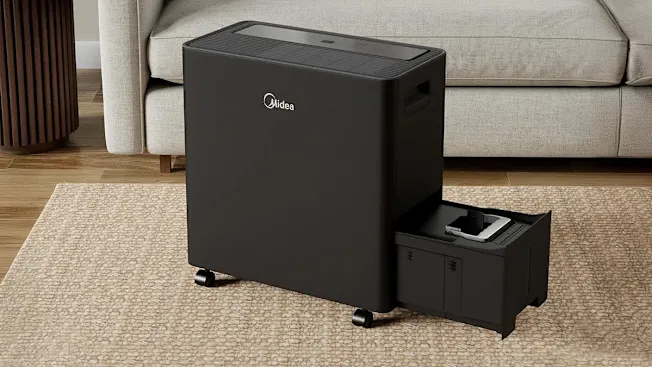
Midea tops nearly every 2025 review for its cutting-edge designs and fewer reported issues compared to competitors. The standout Midea 50-Pint Cube (MAD50S1QWT) removes moisture faster than rivals, dropping humidity from 90% to 40% in grueling tests, and holds up to 4.25 gallons—twice the capacity of standard models. It’s Energy Star Most Efficient-rated, Wi-Fi enabled, and quieter at 54 dB.
- Pros: Exceptional build quality, app control, low noise.
- Cons: Heavy bucket (up to 34 lbs when full).
- Best For: Large basements or open spaces up to 4,500 sq ft.
- Price Range: $250–$350.
- Reliability Rating: Excellent (top CR score).
Owners report minimal breakdowns, making Midea ideal for continuous use.
2. Honeywell: Proven Performance with Quiet Efficiency
Honeywell earns top reliability marks and excels in large-room dehumidification. The Honeywell 50-Pint (TPFIT50AWK) reduces humidity from 90% to 35% in under an hour, even in 4,000 sq ft areas, while operating at a whisper-quiet 50 dB. It’s Energy Star certified with max efficiency scores.
- Pros: Fast moisture extraction, easy drain hose setup, smart features.
- Cons: Smaller tank (15 pints) requires frequent emptying without hose.
- Best For: Damp basements or laundry rooms.
- Price Range: $200–$300.
- Reliability Rating: Excellent.
With decades in the industry, Honeywell’s units rarely need repairs.
3. Frigidaire: User-Friendly with Strong Owner Satisfaction
Frigidaire scores very good in reliability and shines in usability. The Frigidaire Gallery FGAC5045W1 (50-Pint) collected the most water in CNN tests and features an intuitive app for remote monitoring. It handles 1,000 sq ft basements effortlessly.
- Pros: Built-in pump, comfortable handle, Wi-Fi integration.
- Cons: Occasional availability issues.
- Best For: Mid-sized homes with smart home setups.
- Price Range: $220–$320.
- Reliability Rating: Very Good.
Despite past recalls (unrelated to recent models), current units are dependable.
4. hOmeLabs: Affordable Reliability for Everyday Use
hOmeLabs offers very good reliability at budget prices, with models like the HME020031N (50-Pint) praised for consistent performance in Wirecutter and Dehumidifier Buyers Guide tests. It maintains 50% humidity automatically.
- Pros: Comfort mode, smooth-rolling wheels, value for money.
- Cons: Slower in extreme humidity.
- Best For: Bedrooms or small apartments up to 2,500 sq ft.
- Price Range: $150–$250.
- Reliability Rating: Very Good.
A solid pick for first-time buyers seeking low-maintenance options.
5. Danby: Compact and Energy-Efficient Choice
Danby rounds out the top tier with very good ratings and Energy Star efficiency. Tested models like the 50-pint version perform well in CNN Underscored reviews, with easy setup and low energy use.
- Pros: Portable design, built-in pump options.
- Cons: Limited availability in some regions.
- Best For: Garages or RVs.
- Price Range: $180–$280.
- Reliability Rating: Very Good.
Comparison Table: Most Reliable Dehumidifier Brands
| Brand | Reliability Rating | Key Model Capacity | Noise Level (dB) | Coverage Area (sq ft) | Avg. Price | Standout Feature |
|---|---|---|---|---|---|---|
| Midea | Excellent | 50 pints | 54 | Up to 4,500 | $300 | Large bucket, Wi-Fi |
| Honeywell | Excellent | 50 pints | 50 | Up to 4,000 | $250 | Ultra-quiet operation |
| Frigidaire | Very Good | 50 pints | 52 | Up to 3,000 | $270 | App-controlled pump |
| hOmeLabs | Very Good | 50 pints | 55 | Up to 2,500 | $200 | Auto comfort mode |
| Danby | Very Good | 50 pints | 53 | Up to 3,000 | $230 | Energy-efficient |
*Data sourced from CR, Wirecutter, and Tom’s Guide 2025 tests.
Brands to Avoid: The Least Reliable Dehumidifier Options in 2025
While most brands score acceptable, two stand out for poor reliability: Haier and Hisense, both earning only Fair ratings in CR surveys due to high breakdown rates (over 25% in five years). Users report frequent compressor failures and leaks.
- Haier: Fair reliability; models like the 35-pint often underperform in humid conditions and have short lifespans.
- Hisense: Fair reliability; budget appeal but plagued by noise and early failures.
Additionally, watch for recalled brands like GE, Kenmore, and SoleusAir from 2023 Gree manufacturing issues—fire hazards affected millions of units. Unknown or off-brand models (e.g., Waykar) inflate capacities unrealistically and lack support.
How to Choose the Right Dehumidifier for Your Needs
- Assess Room Size: 20-30 pints for 500 sq ft; 50+ pints for larger areas.
- Check Features: Look for auto-humidistats, pumps, and Energy Star labels to cut costs (up to 14% savings).
- Read Reviews: Prioritize CR or Wirecutter-tested models.
- Maintenance Tips: Clean filters weekly and empty tanks to extend life—dirty units breed mold.
- Budget Wisely: Invest $200+ for reliability; cheap units (<$150) often fail quickly.
Final Thoughts: Invest in Reliability for a Drier, Healthier Home
In 2025, Midea and Honeywell lead as the most reliable dehumidifier brands, offering peace of mind against the industry’s 19% failure rate. Steer clear of Haier, Hisense, and recalled lines to avoid headaches. By selecting a top-rated model, you’ll not only combat humidity but also enhance your home’s longevity.
Ready to dry out your space? Check current deals on Amazon or Home Depot for these picks. For personalized advice, consult sizing charts from Energy Star. What’s your biggest humidity headache—basement floods or laundry woes? Share in the comments!