Crawl Space Vapor Barrier vs Encapsulation: Choosing the Best Solution for a Healthier, Moisture-Free Home Foundation

When it comes to protecting your home’s foundation, the debate of crawl space vapor barrier vs encapsulation is a critical decision for homeowners aiming to prevent moisture issues, mold growth, and structural damage. Both methods aim to control humidity and safeguard the crawl space, but they differ significantly in scope, cost, and effectiveness. Choosing the right approach can save thousands in repairs—mold remediation alone can cost $500–$6,000, per home maintenance estimates—while improving air quality and energy efficiency.
This article explores the nuances of crawl space vapor barriers and encapsulation, covering their definitions, benefits, limitations, cost comparisons, suitability for different homes, and maintenance needs, empowering you to make an informed choice for a healthier home.
Understanding Crawl Space Vapor Barriers and Encapsulation
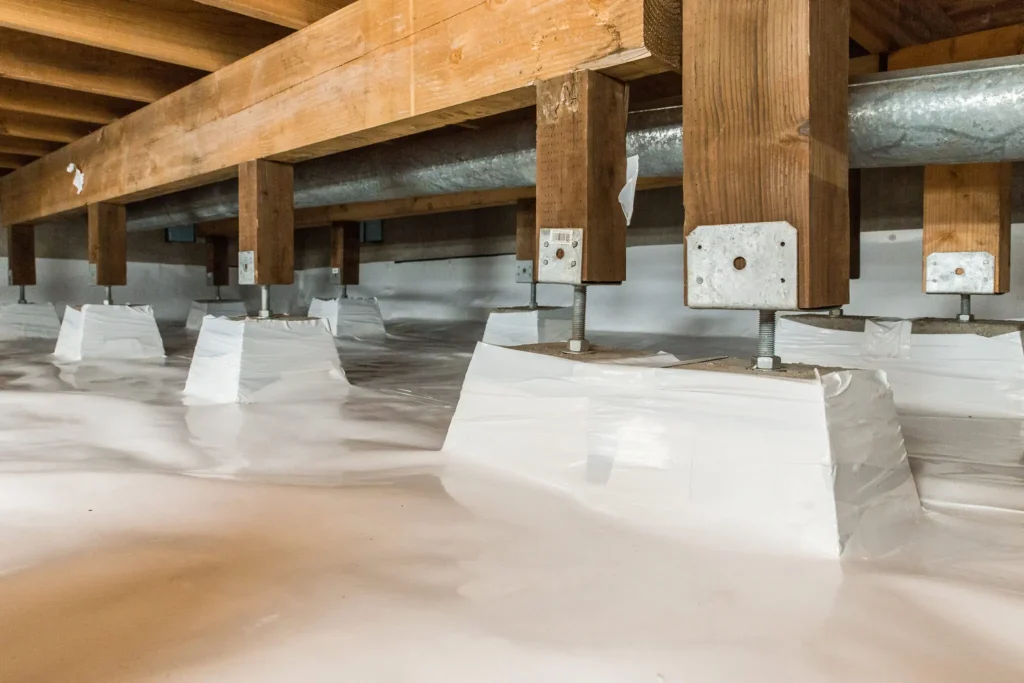
A vapor barrier is a heavy-duty plastic sheet (typically 6–12 mil thick) laid on the crawl space floor to block ground moisture from rising into the space. It’s a cost-effective solution to reduce humidity and prevent minor water issues. Encapsulation, in contrast, is a comprehensive system that seals the entire crawl space—floor, walls, and vents—with a thicker (12–20 mil) vapor barrier, often paired with a dehumidifier and sealed vents to create a fully controlled environment.
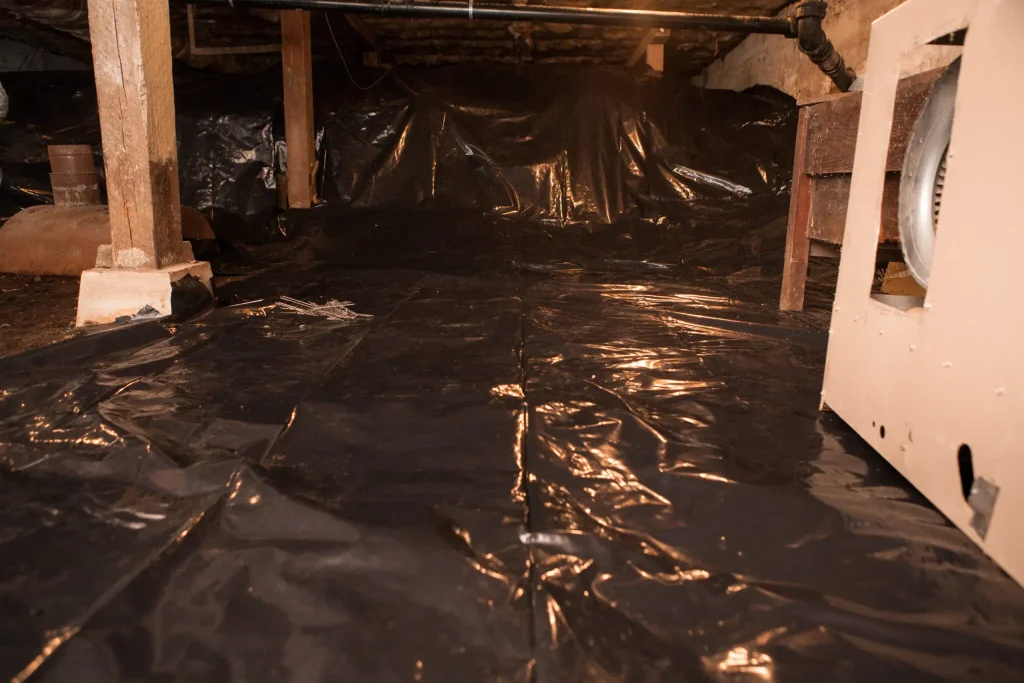
While vapor barriers address ground moisture, encapsulation isolates the crawl space from external conditions, offering superior moisture control. Understanding these methods’ scope—vapor barriers as a partial solution and encapsulation as a complete seal—helps homeowners assess their needs based on climate, home condition, and budget.
Benefits and Limitations of Vapor Barriers
Benefits: Vapor barriers are affordable, costing $0.50–$1.50 per square foot, and reduce humidity by blocking ground moisture, cutting mold risk by 20–30%, per environmental studies. They’re easy to install, ideal for DIY projects, and effective in dry or moderately humid climates with minimal water intrusion. They also protect wooden joists and subfloors from dampness, extending structural lifespan.
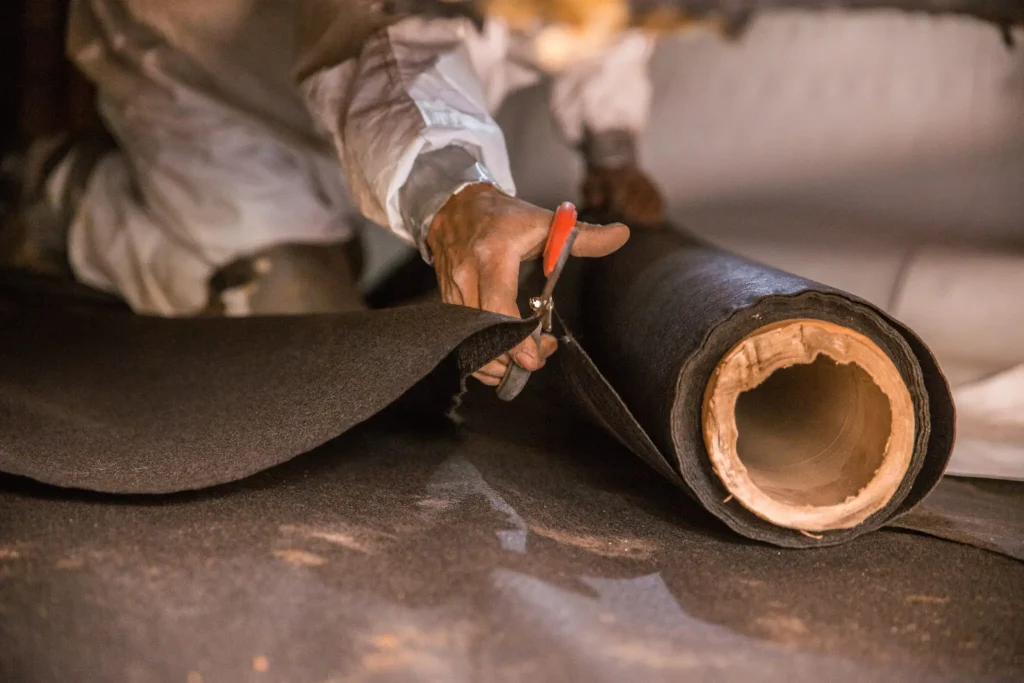
Limitations: Vapor barriers don’t address wall or vent moisture, leaving gaps for humidity or pests to enter. They’re less effective in flood-prone or high-humidity areas, where standing water or poor ventilation can overwhelm the barrier. Without additional measures like dehumidifiers, mold can still form, requiring frequent inspections. For homes with significant moisture issues, vapor barriers alone may not suffice, making encapsulation a better long-term solution.
Benefits and Limitations of Crawl Space Encapsulation
Benefits: Encapsulation creates a fully sealed environment, reducing humidity to below 50% and preventing mold, pests, and structural damage. It improves indoor air quality by 15–20%, per air quality research, as sealed vents block allergens and spores from entering the home. Encapsulation also boosts energy efficiency by up to 18%, per energy studies, by insulating the crawl space and reducing HVAC strain. It’s ideal for homes in humid or flood-prone regions.
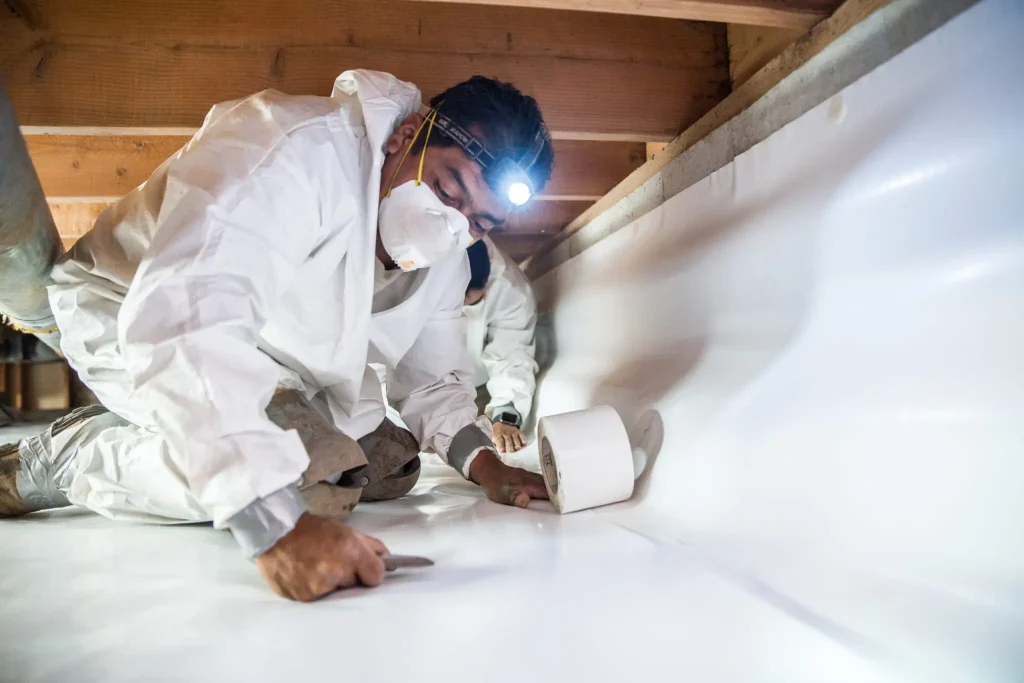
Limitations: Encapsulation is costly, ranging from $3,000–$8,000 depending on size and complexity, and requires professional installation for optimal results. It demands ongoing maintenance, like dehumidifier upkeep, and may not be necessary for dry climates or well-ventilated homes. In older homes with structural issues, pre-encapsulation repairs add to costs, making it a significant investment compared to vapor barriers.
See more: Best crawl space dehumidifier 2025
Cost Comparison and Long-Term Value
Vapor barriers are budget-friendly, with installation costs of $500–$2,000 for a 1,000-square-foot crawl space, including labor and materials. They offer immediate moisture reduction but may require frequent replacements or additional fixes in high-moisture areas, adding $200–$500 annually for maintenance. Encapsulation, while pricier at $3,000–$8,000, provides long-term value by eliminating recurring moisture issues and reducing energy bills by $100–$300 yearly, per homeowner reports. Encapsulation’s durability (15–25 years) outweighs vapor barriers (5–10 years), making it a better investment for homes with persistent humidity or health concerns, though vapor barriers suit tighter budgets or milder climates.
Suitability for Different Homes and Climates
Choosing between vapor barriers and encapsulation depends on your home’s condition and local climate. Vapor barriers are ideal for homes in dry or moderately humid regions, like the Southwest, where ground moisture is the primary concern. They suit older homes with minimal insulation or well-ventilated crawl spaces, requiring only basic moisture control. Encapsulation is better for humid climates, like the Southeast, or homes with recurring mold, flooding, or poor ventilation, as it fully isolates the crawl space. Newer homes with energy-efficient designs benefit from encapsulation’s insulation properties, while budget-conscious homeowners or those with temporary moisture issues may prefer vapor barriers. Assessing crawl space conditions—humidity levels, structural integrity, and ventilation—helps determine the best fit.
Maintenance Needs for Vapor Barriers and Encapsulation
Vapor barriers require regular upkeep to remain effective. Inspect every 6–12 months for tears, pooling water, or mold, repairing or replacing damaged sections ($100–$300 per fix). Ensure proper drainage and ventilation to prevent moisture buildup, and use a hygrometer to monitor humidity (ideal: 30–50%). Encapsulation demands less frequent but more specialized maintenance, including annual dehumidifier servicing ($50–$150) and inspections for sealant integrity or vent leaks. Both systems benefit from cleaning debris and addressing water intrusion promptly. Encapsulation’s sealed environment reduces maintenance frequency but requires consistent dehumidifier operation to prevent condensation. Proper care extends the lifespan of either solution, ensuring a dry, healthy crawl space.
Conclusion: Choose the Right Crawl Space Solution for Your Home
Deciding between crawl space vapor barrier vs encapsulation is pivotal for protecting your home’s foundation, air quality, and energy efficiency. Vapor barriers offer an affordable, straightforward solution for moderate moisture issues, while encapsulation provides comprehensive protection for humid or problematic crawl spaces. By understanding their benefits, limitations, costs, and suitability, and maintaining the chosen system diligently, homeowners can prevent mold, reduce repair costs, and create a healthier living environment. Evaluate your home’s needs, climate, and budget, and choose the solution that best safeguards your foundation for years to come.