What Is Drain Tile: Expert Insights on Protecting Your Home’s Foundation with Effective Drainage Solutions

As a home repair expert with a decade of experience, I’ve seen firsthand how understanding what is drain tile can save homeowners from costly foundation damage caused by water accumulation. Drain tile, a critical component of a home’s drainage system, directs water away from the foundation, preventing issues like basement flooding, mold growth, and structural weakening that can cost $2,000–$15,000 to repair, per industry estimates. Essential for homes in wet climates or with high water tables, drain tile systems ensure a dry, stable foundation. This SEO-optimized article explores drain tile systems, covering their definition, types, installation methods, benefits, maintenance requirements, and signs of failure, empowering homeowners to protect their homes effectively.
Defining Drain Tile and Its Role in Home Drainage
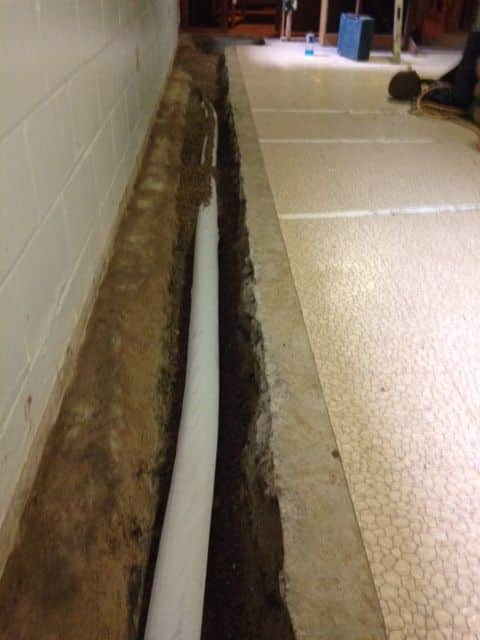
Drain tile, also known as French drain or perimeter drain, is a drainage system designed to channel water away from a home’s foundation, preventing moisture buildup that leads to structural damage. Typically consisting of perforated pipes buried in gravel-filled trenches, drain tile collects groundwater and surface runoff, directing it to a sump pump or drainage outlet. Used in both interior (basement) and exterior (around foundation) applications, it reduces hydrostatic pressure on foundation walls, per building science principles. By keeping soil moisture levels below 20%, drain tile prevents issues like foundation cracks or mold, ensuring a stable, dry home environment, especially in areas prone to heavy rain or flooding.
Types of Drain Tile Systems for Residential Use

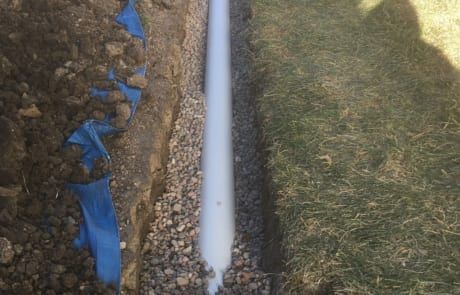
Drain tile systems come in various forms, each suited to specific home needs. Exterior drain tile, installed around the foundation’s perimeter, uses perforated PVC or corrugated pipes (4–6 inches in diameter) to divert groundwater, ideal for new construction or flood-prone areas. Interior drain tile, placed along basement floors, channels water to a sump pump, perfect for retrofitting existing homes. Clay tile, a traditional option, is durable but less common due to installation complexity. Modern plastic systems, lightweight and corrosion-resistant, dominate due to ease of installation and longevity (20–50 years), per construction data. Choosing the right type depends on soil conditions, water table levels, and home design, ensuring optimal drainage performance.
Installation Methods for Effective Drain Tile Systems
Proper installation is critical for drain tile effectiveness, based on my extensive repair experience. Exterior systems involve excavating a trench (1–2 feet deep) around the foundation, laying perforated pipes with a 1% slope for gravity flow, and covering with gravel to filter debris. Interior systems require breaking up basement floor edges, installing pipes in a gravel bed, and connecting to a sump pump. Waterproof membranes or fabric socks around pipes prevent clogging, extending system life by 10–15 years, per industry standards. Installation costs range from $2,000–$8,000, depending on home size and complexity. Hiring professionals ensures compliance with local codes and prevents issues like improper sloping or pipe damage, maximizing drainage efficiency.
Benefits of Drain Tile for Home Protection
Drain tile systems offer significant advantages for home preservation. They prevent foundation damage by reducing water pressure, cutting crack formation risk by 30–40%, per structural engineering studies. Mold prevention is a key benefit, as dry foundations reduce humidity below 50%, inhibiting mold growth within 24–48 hours of water exposure. Basement dryness enhances usable living space, increasing property value by 5–10%, per real estate data. Drain tiles also protect landscaping by diverting runoff, preventing soil erosion. Durable and low-maintenance, these systems provide long-term cost savings, avoiding repairs that can exceed $10,000, making them a smart investment for any homeowner.
See more: Best crawl space dehumidifier 2025
Maintenance Requirements to Ensure Longevity
Maintaining drain tile systems is essential to prevent clogs and ensure functionality, drawing on my repair expertise. Inspect annually for blockages, using a plumber’s snake or high-pressure water jet ($100–$300) to clear debris like roots or silt. Check sump pumps every 6 months, testing float valves and cleaning basins to ensure reliable operation, per maintenance guidelines. Monitor exterior grading to prevent runoff from pooling near the foundation, and clean gutters to avoid overflow. For interior systems, inspect basement drains for sediment buildup. Regular maintenance extends system life by 10–20 years and prevents costly flooding, with professional cleaning recommended every 3–5 years for optimal performance.
Signs of Drain Tile Failure and Repair Solutions
Recognizing drain tile failure early can save thousands in repairs. Common signs include basement water seepage, musty odors, or foundation cracks, indicating clogs or pipe damage. High humidity (above 60%) or mold growth in basements suggests poor drainage, per environmental studies. Standing water near the foundation or soggy soil points to exterior system failure. Repairs involve excavating clogged sections ($500–$2,000), replacing damaged pipes, or upgrading to a sump pump for better water management. For severe issues, like collapsed pipes, full system replacement ($5,000–$12,000) may be needed. Prompt repairs, guided by professional assessments, restore drainage and prevent structural damage, ensuring a dry, stable home.
Conclusion: Safeguard Your Home with Drain Tile Systems
Understanding what is drain tile is key to protecting your home’s foundation from water damage, mold, and costly repairs. By defining its role, exploring system types, ensuring proper installation, leveraging benefits, maintaining diligently, and addressing failures promptly, homeowners can maintain a dry, stable foundation. Drain tile systems, when properly implemented, offer decades of protection, saving thousands in potential repairs. With insights from a decade of home repair experience, I recommend assessing your home’s drainage needs and investing in a drain tile system to ensure a healthy, durable living environment for years to come.