Flooded Crawl Space: Expert Solutions to Restore Your Home’s Foundation and Prevent Costly Moisture Damage

A flooded crawl space is a homeowner’s nightmare, posing immediate risks to structural integrity, indoor air quality, and health due to water accumulation beneath the home. Caused by heavy rain, plumbing leaks, or poor drainage, flooding can lead to mold growth, wood rot, and pest infestations, with repair costs ranging from $1,500 to $15,000, per home restoration estimates. As a home repair expert with a decade of experience, I understand the urgency of addressing this issue to prevent long-term damage. This article explores how to manage a flooded crawl space, covering the causes, risks, initial response steps, drying techniques, prevention strategies, and professional remediation options, empowering homeowners to restore their home’s foundation and maintain a safe, dry environment.
Causes of a Flooded Crawl Space
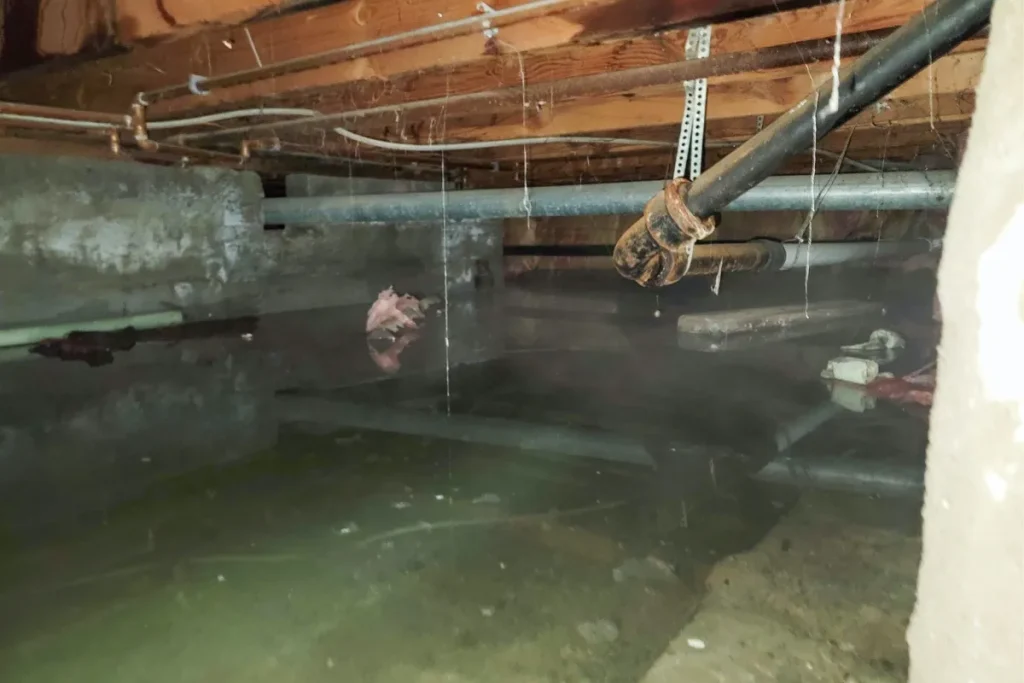
Crawl space flooding occurs when water infiltrates the underfloor area, often due to heavy rainfall overwhelming poor drainage systems, causing water to pool in low-lying areas. Plumbing leaks, such as burst pipes or faulty water heaters, can release gallons of water, saturating the crawl space within hours. Improper grading around the home’s foundation directs runoff toward the crawl space, while clogged gutters or downspouts exacerbate water accumulation. Inadequate vapor barriers or unsealed vents allow ground moisture to seep in, especially in high water table areas, per environmental studies. Identifying the cause—whether external runoff or internal leaks—is critical for effective remediation and preventing recurrence, ensuring targeted solutions that address the root issue.
Risks and Consequences of a Flooded Crawl Space

A flooded crawl space poses significant risks to both the home and its occupants. Standing water promotes mold growth within 24–48 hours, releasing spores that degrade indoor air quality by 20–50%, per air quality research, potentially causing respiratory issues or allergies. Wood rot weakens joists and subfloors, compromising structural stability and requiring repairs costing $2,000–$10,000, per industry data. Pest infestations, like termites or rodents, thrive in damp environments, further damaging insulation and wiring. Water can also wick into walls or HVAC systems, spreading moisture to living spaces and increasing repair costs. Left unaddressed, these consequences escalate, threatening health, safety, and property value, making prompt action essential to mitigate damage.
See more: Best crawl space dehumidifier 2025
Initial Response Steps for a Flooded Crawl Space
Immediate action is crucial to minimize damage from a flooded crawl space. Turn off electricity in the affected area to avoid electrical hazards, ensuring safety before entering. Identify and stop the water source, such as fixing a leak or redirecting external runoff with temporary barriers like sandbags. Remove standing water using a wet/dry vacuum or portable sump pump (500–1,000 gallons per hour capacity), which can clear small floods in 2–4 hours, per restoration experience. Extract soaked materials, like insulation or debris, to prevent mold, and ventilate the area by opening vents or windows. Wear protective gear (gloves, boots, N95 mask) to avoid contact with contaminated water. These steps, when executed promptly, reduce damage by 30–40%, per home repair studies, setting the stage for effective drying.
Drying Techniques to Restore a Flooded Crawl Space
Thorough drying is essential to restore a flooded crawl space and prevent mold or rot. Deploy high-velocity air movers (1,000–3,000 CFM) to circulate air, placing them at 45-degree angles every 10–15 square feet to evaporate moisture from wood and soil. Pair with dehumidifiers (50–70 pints/day capacity) to reduce humidity below 50%, drying wood to 10–15% moisture content within 3–7 days, per IICRC guidelines. Use moisture meters to monitor progress, ensuring joists and subfloors are dry. For saturated subfloors, drill small holes to vent trapped moisture, and apply borate-based treatments to wood to inhibit mold. Elevate fans on crates to target damp areas, and maintain airflow for 24–48 hours after surfaces appear dry to eliminate residual moisture, per expert protocols.
Preventing Future Crawl Space Flooding
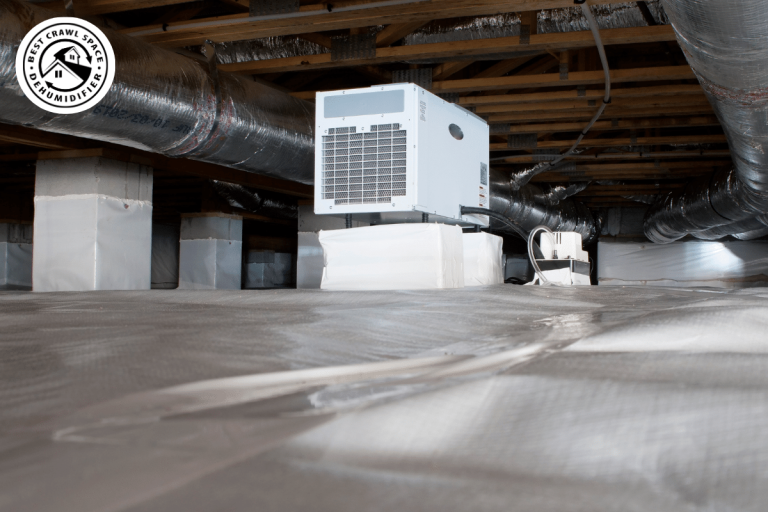
Preventing future flooding requires proactive measures to control water intrusion. Install a vapor barrier (6–12 mil polyethylene) across the crawl space floor to block ground moisture, reducing humidity by 20–30%, per home improvement data. Improve drainage by regrading the foundation to slope away from the house, and clean gutters regularly to prevent overflow. Add a sump pump with a battery backup (1,000–2,000 GPH) in flood-prone areas to remove water automatically. Seal vents or consider crawl space encapsulation for humid climates, paired with a dehumidifier for long-term moisture control. Regular inspections for leaks or standing water, especially after heavy rain, catch issues early, minimizing the risk of future floods and costly repairs.
Professional Remediation for Severe Flooding
For extensive flooding (over 100 square feet or Category 3 contaminated water), professional remediation is critical. Experts use industrial-grade equipment, like high-capacity pumps, air movers, and dehumidifiers, to dry spaces 50% faster than DIY methods, per restoration studies. Infrared cameras detect hidden moisture in walls or subfloors, preventing overlooked damage. Professionals apply antimicrobial treatments to eliminate mold spores and replace damaged materials like rotted joists, costing $1,500–$10,000 depending on severity. Encapsulation services ($3,000–$8,000) seal the crawl space, ensuring long-term dryness. For homes with health-sensitive occupants or structural concerns, professional intervention prevents escalation, restores safety, and provides peace of mind with post-remediation air quality testing.
Conclusion: Act Swiftly to Conquer a Flooded Crawl Space
Addressing a flooded crawl space with urgency and expertise is vital to protect your home’s foundation, air quality, and structural integrity. By identifying causes, mitigating risks, responding promptly, drying thoroughly, implementing prevention strategies, and seeking professional help for severe cases, homeowners can restore their crawl space and prevent future damage. With proper action, drying typically takes 3–7 days, ensuring a safe, mold-free environment. Act decisively, maintain vigilance, and let expert strategies safeguard your home from the devastating effects of crawl space flooding, ensuring a dry, healthy, and durable foundation for years to come.