How To Repair a Damaged Carrying Beam: Expert Home Repair Techniques to Restore Structural Integrity and Ensure Safety

As a home repair expert with a decade of experience, I’ve tackled numerous cases of how to repair a damaged carrying beam, a critical task to maintain a home’s structural stability. Carrying beams, often made of wood or steel, support significant loads like floors or roofs, and damage from rot, cracks, or overloading can lead to sagging floors, cracked walls, or even collapse if not addressed promptly. Timely repairs prevent escalation, ensuring safety and longevity. This SEO-optimized article shares my field-tested strategies, covering the causes of beam damage, assessing severity, temporary support methods, repair techniques, prevention strategies, and when to call professionals, empowering homeowners to restore their home’s backbone effectively.
Understanding the Causes of Carrying Beam Damage
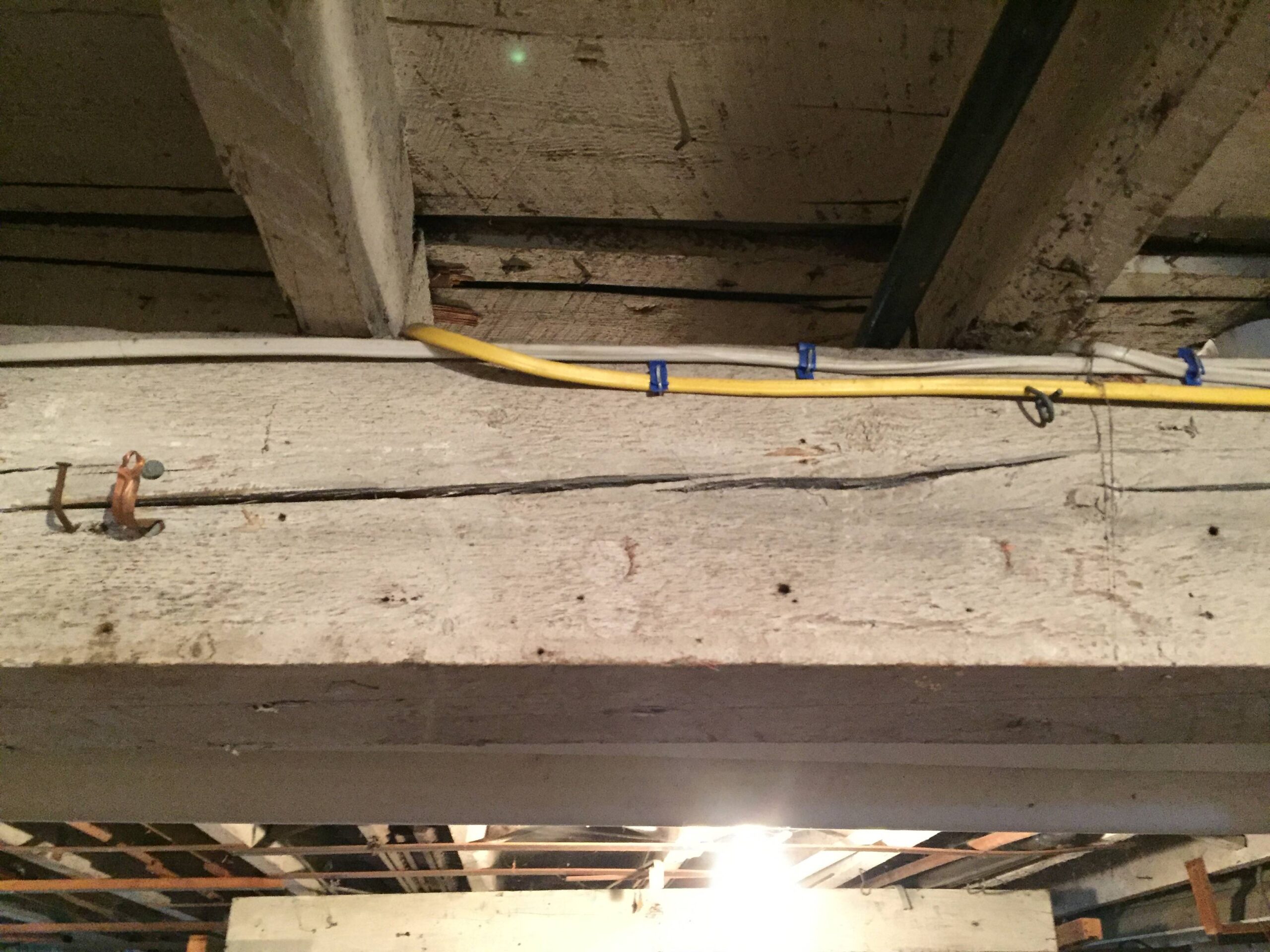
Carrying beam damage stems from various factors, often tied to environmental or structural issues. Moisture exposure from leaks or high humidity (above 60%) causes wood rot, weakening beams within 24–48 hours, per environmental studies. Termite infestations erode wood internally, compromising strength. Overloading from heavy renovations or improper weight distribution creates cracks or bending, especially in older homes. Poor installation, like undersized beams or inadequate supports, also contributes. Natural wear over decades can cause fatigue in wood or steel. Identifying the cause—moisture, pests, or structural flaws—is crucial for targeted repairs, a principle I’ve applied across countless projects.
Assessing the Severity of Beam Damage
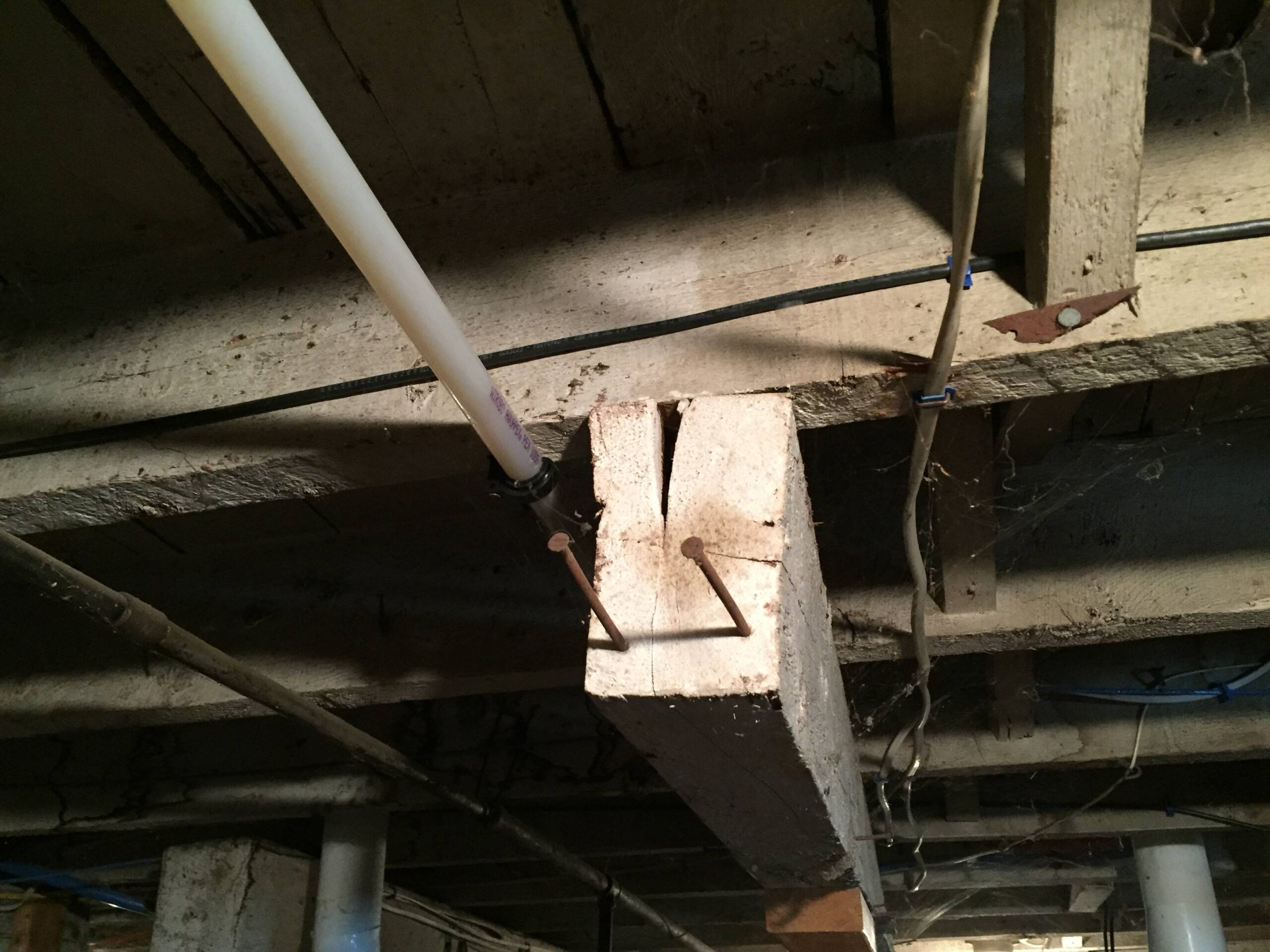
Evaluating damage severity guides the repair approach, based on my repair experience. Minor damage includes surface cracks (less than 1/8 inch) or slight sagging (under ½ inch), posing low immediate risk but requiring monitoring. Moderate damage shows deeper cracks, noticeable sagging (½–1 inch), or soft, rotted areas, indicating urgent repair needs. Severe damage, with splits over ¼ inch, sagging beyond 1 inch, or visible bowing, risks structural failure, per engineering data. Use a level to measure sagging, a moisture meter (ideal: below 15% for wood), and visual inspections for pest or rot signs. Document findings to plan repairs and consult professionals for severe cases.
Temporary Support Methods to Stabilize the Beam
Temporary supports prevent further damage while planning repairs, a tactic I’ve used on job sites. Install adjustable steel jacks or 4×4 wooden posts beneath the beam, spaced 4–6 feet apart, to bear the load, ensuring they rest on a solid base like concrete pads. Shore adjacent floors with temporary beams to distribute weight. Reduce load by removing heavy furniture or equipment above the beam. Check alignment with a laser level to ensure stability. These measures, effective for weeks to months, halt sagging or cracking but require constant monitoring to avoid overloading supports, as I’ve seen in emergency stabilizations.
Repair Techniques for Damaged Carrying Beams
Effective repairs restore beam strength, drawing on my decade of expertise. For minor cracks, sand and fill with epoxy wood filler, reinforcing with steel plates bolted to the beam. Moderate damage requires sistering, where a new beam is bolted alongside the damaged one, doubling strength, per construction standards. For rotted sections, cut out affected areas (up to 1/3 of the beam) and replace with pressure-treated lumber, securing with galvanized bolts. Severe damage may necessitate full beam replacement, using engineered wood or steel, supported by new posts. Apply borate treatments to prevent future rot. These techniques ensure a durable repair, restoring structural integrity for decades.
Preventing Future Damage to Carrying Beams
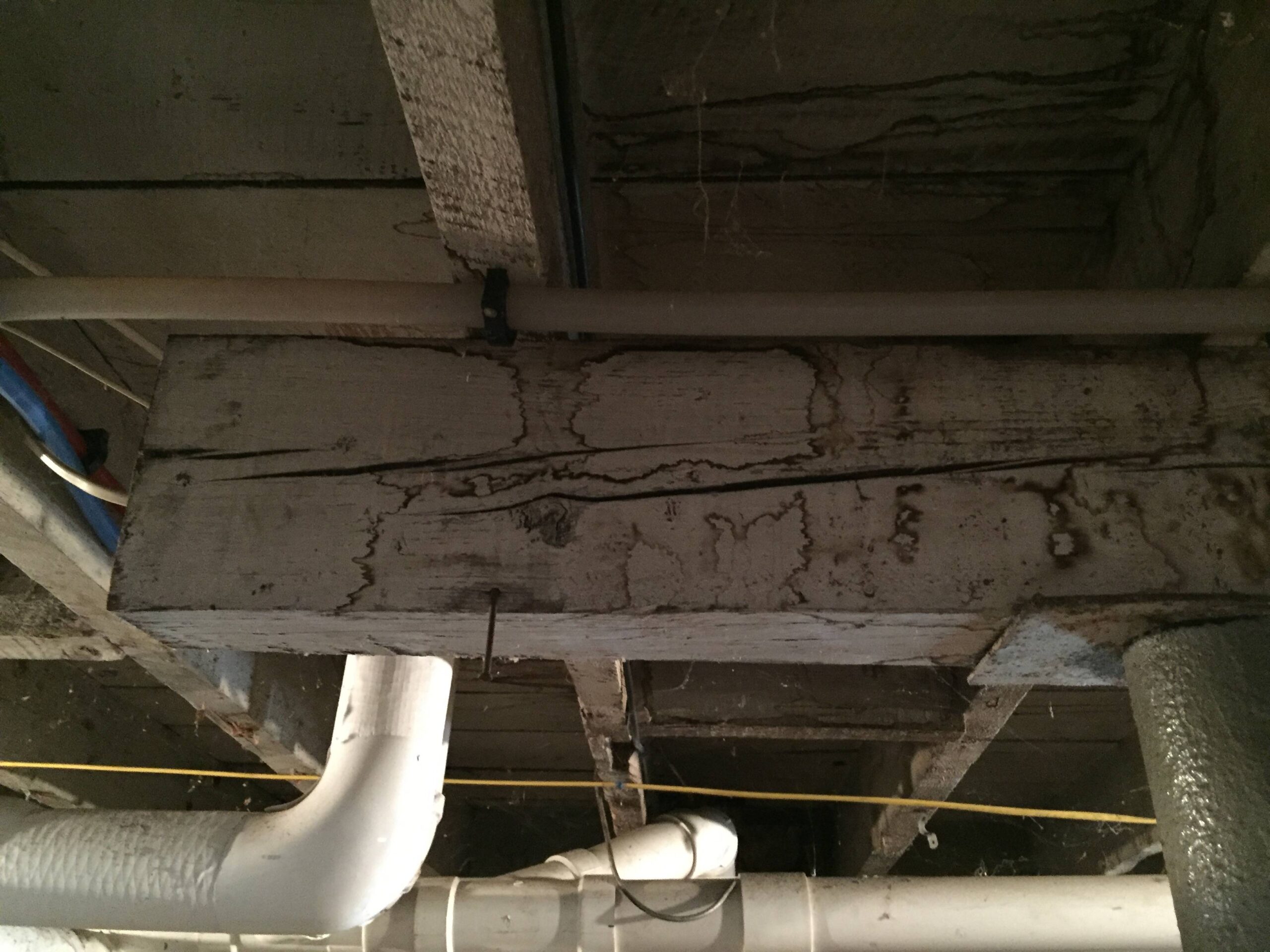
Preventing recurrence is key to long-term stability, a cornerstone of my repair philosophy. Control moisture with dehumidifiers (below 50% humidity) and fix leaks promptly to prevent rot. Inspect for pests annually, using termite treatments if needed. Ensure proper ventilation in basements or crawl spaces to reduce dampness, cutting rot risk by 30%, per building studies. Avoid overloading by consulting engineers before renovations, ensuring beams match load requirements. Regular inspections with a moisture meter and visual checks catch early issues, maintaining beam integrity and avoiding invasive repairs, as I’ve advised in countless homes.
When to Consult Professional Structural Experts
Minor repairs may be DIY-friendly, but severe damage or complex issues demand professional expertise, a lesson from my years in the field. Structural engineers assess beam load capacity and damage with 95% accuracy, per industry reports, using tools like laser levels or load calculators. They recommend solutions like steel reinforcements or replacements, ensuring compliance with building codes. Licensed contractors execute precise repairs, addressing hidden issues like subfloor damage. For sagging over 1 inch, deep rot, or steel beam issues, hire professionals to prevent collapse risks, ensuring safety and warranted repairs, as I’ve seen in critical cases.
Conclusion: Restore Strength by Repairing Carrying Beams
Mastering how to repair a damaged carrying beam is essential to safeguard your home’s structural integrity and ensure safety. By understanding causes, assessing severity, stabilizing temporarily, applying targeted repairs, preventing future issues, and knowing when to call professionals, homeowners can restore their beams effectively. With a decade of home repair experience, I’ve seen timely action stabilize homes within days, preventing costly damage. Act promptly, monitor diligently, and let these expert strategies strengthen your home’s backbone, ensuring a secure, stable living environment for years to come.